
Modern Interior Railing Trends for Luxury Homes
March 3, 2026


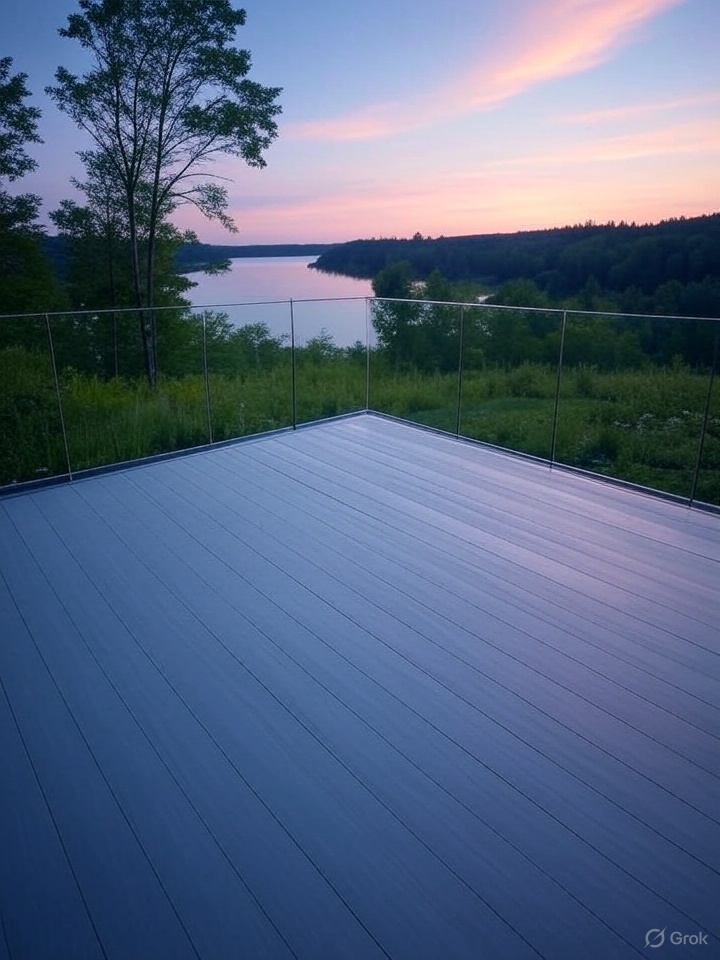
California Deck Railing Code Building a deck in Southern California requires adherence to the CBC and IBC code requirements; and also may consider other state requirements due to geo locations. Potential deck builds considerations include geo specific factors like coastal conditions, fire risks, and possible seismic activity during the design build process. Hillside decks may require something different than urban or commercial decks; while raised decks have different seismic requirements than ground level decks. Included in this article are some practical considerations and safety insights for California deck and railing projects: Guardrails and Deck Height Requirements Railings are mandatory for decks more than 30 inches above grade. If railings are installed on decks lower than 30 inches they are still required to meet code standards. The 30 inch threshold assumes the use of native grade. Adding loose fill will not exempt a homeowner or builder from a guardrail or permit requirement. We have witnessed the use of permitted retaining walls to satisfy this requirement on occasion because there are so many hillside decks in So Cal. Residential Deck Railing Height Minimum guardrail height is 42 inches in California. It has been rumored that this requirement will be making its way to other nearby states in the not so distant future. Commercial decks in California and multi-family buildings also require 42 inches for guardrails. The 42 inch height requirement is much safer; especially on elevated decks. Pro tip: Many customers are concerned about the sitting sight line at the taller height railing and losing the view- it has been our experience that the taller railing height is less of an issue than 36″ railing; and most deck seating allows for views through the infill or glass panels from deck chairs. Low profile and no top rail designs are also available. (photo below) NO TOP RAIL DESIGNS ON DECK RAILINGS ARE LEGAL IN CA. WHEN BUILDING CODE CONDITIONS ARE MET Deck Railing Infill Spacing Standards Openings in guardrails must not allow a 4 inch sphere to pass through, preventing children or pets from squeezing through. Cable railings will require 3″ minus spacing to achieve this; as well as adequate tension and post spacing. For stairs a 6″ sphere is allowed between the tread, riser, and bottom rail or cable. Bottom rail designs allow a sweep space of 4 inches or less. Cable railing systems and glass panel railings are code compliant in the state of California. San Diego Cable Railings offers a number of pre-made and custom railing options, kits, and DIY products for decks. With our products you can maximize your views and update your aesthetics without sacrificing safety or code compliance. San Diego Railings for Code Compliant Decks Our company and installation team has been constructing the highest quality transparent railing systems in Southern California since 2009. Our products are corrosion resistant, attractive, and proven in real field conditions. We’ve passed countless inspections for homeowners, contractors, and commercial building owners. If you’re looking to upgrade your home or business with new railings, give us a call or visit our quote request form. CLICK HERE TO REQUEST A QUOTE FROM OUR SALES TEAM! most used cable railing system Deck Railing Code Insights MavenAugust 7, 2025 Safe Deck Railings Pony Wall Railing Remodels MavenJuly 24, 2025 Cable Railing News What is the Best Material for Cable Railings? Cole RouseJuly 16, 2025 Cable Railing News Understanding Cable Railing: Addressing Potential Disadvantages Cole RouseJuly 16, 2025 most used cable railing system The Sleekest Minimalist Railing Systems MavenJuly 3, 2025 Browse More Posts Add Your Heading Text Here