
Transforming San Diego Homes with Premium Glass Railing Systems
October 22, 2026


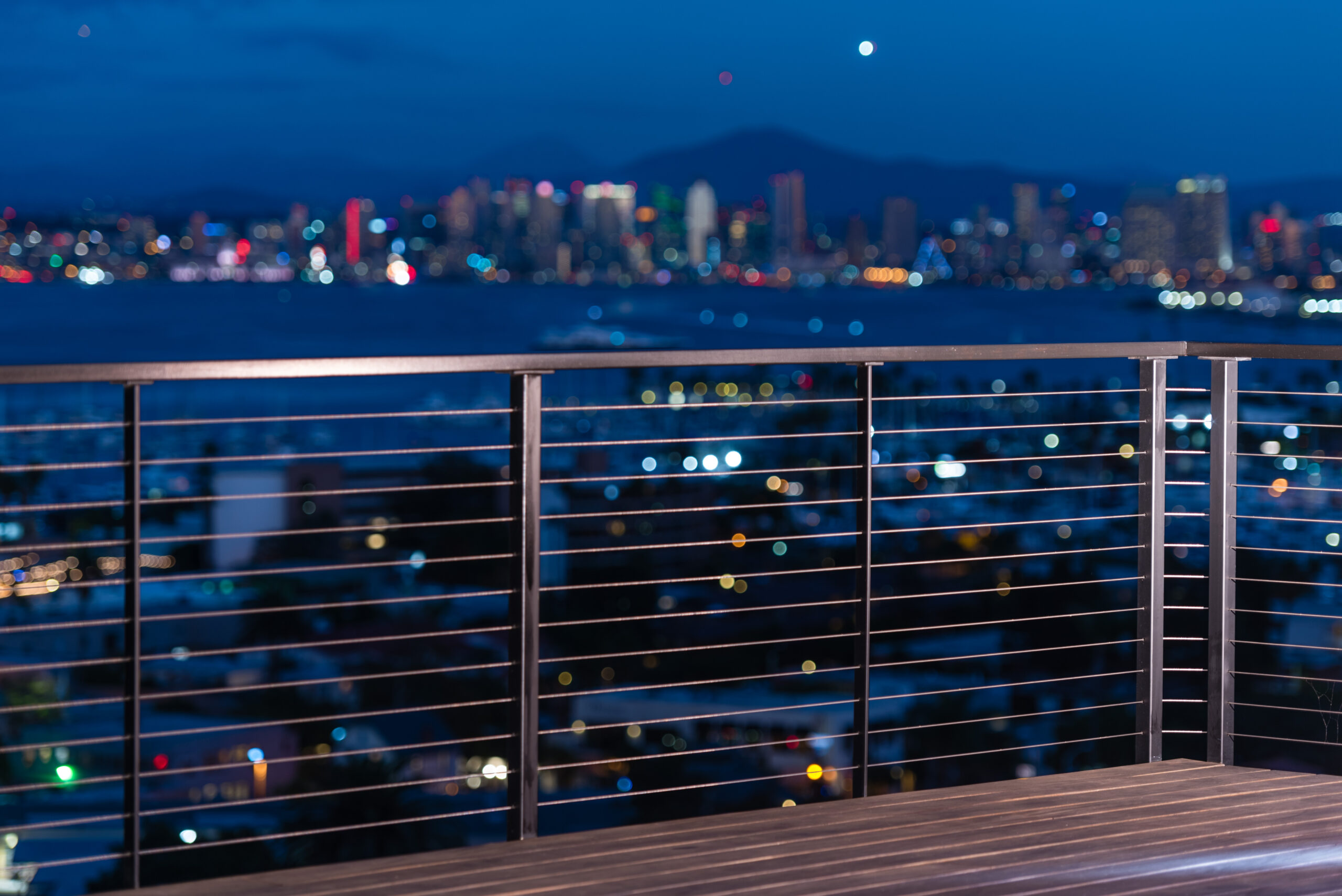
Planning a residential deck or stair project in California requires a clear understanding of state and local building safety codes. Navigating complex structural requirements can feel daunting, but ensuring compliance protects both your property value and your loved ones. We engineer premium cable railing systems specifically designed to meet strict California safety standards while elevating your property’s aesthetic appeal. California Residential Railing Height Requirements California building codes mandate that residential deck railings must measure a minimum of 42 inches in height from the walking surface. For interior or exterior stairs, handrail height must fall between 34 and 38 inches measured vertically from the stair nosing. Our engineered posts ensure your installation meets these exact height standards effortlessly. Sphere Code and Cable Spacing Standards To satisfy the standard four-inch sphere code test, cable railing tension and post spacing must prevent a four-inch sphere from passing through. We recommend spacing cables no more than three inches apart vertically to account for minor cable deflection under pressure. Our rigid intermediate posts maintain perfect cable alignment across every single span. Structural Load-Bearing and Infill Performance California structural regulations require top rails and grab bars to withstand a concentrated load of at least 200 pounds applied in any direction. Additionally, the cable infill must support a horizontal load of 50 pounds applied to a one-square-foot area. We craft our stainless steel components to easily exceed these rigorous load thresholds. Handrail Continuation and Graspability Rules Stairway handrails must run continuously along the full length of the stair run and feature an approved, graspable profile. They must terminate securely into a wall, post, or return to prevent snagging clothing during use. We supply pre-engineered handrail fittings that ensure full code compliance while maintaining a modern, seamless appearance. Understanding California building code requirements ensures your outdoor living space remains safe, legal, and beautiful for decades to come. At San Diego Cable Railings, we provide high-grade, 100% code-compliant cable railing kits tailored to your exact project specifications. Contact our experienced design team today to request a free estimate or explore our customizable DIY railing systems for your home.
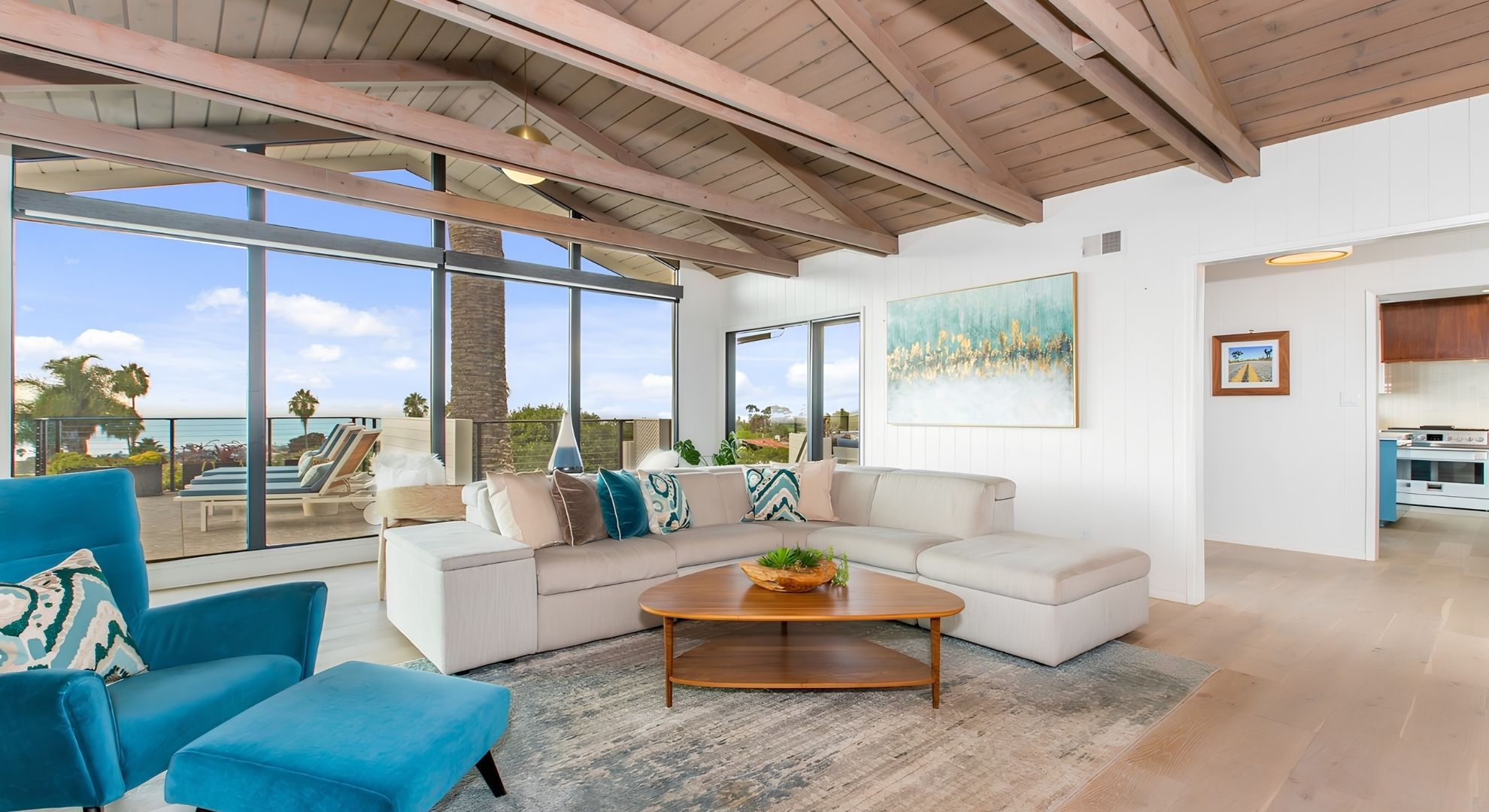
Living by the ocean in California provides breathtaking views, but the harsh saltwater environment relentlessly attacks exterior building materials. Protecting your outdoor investments requires selecting the absolute best coastal deck railing materials available. San Diego Cable Railings understands the unique challenges posed by coastal climates and want to highlight why specific metal alloys are strictly required for long-lasting structural integrity. The Threat of Corrosive Salt Air Oceanfront environments expose outdoor fixtures to a continuous barrage of corrosive salt air and heavy moisture. Standard metals can deteriorate rapidly under these harsh atmospheric conditions, leading to dangerous structural weaknesses. We recognize that finding a truly rust resistant exterior railing is absolutely paramount for local homeowners who want to guarantee the safety of their seaside balconies. Understanding the Molybdenum Advantage What sets 316 marine grade stainless steel railing apart is the addition of molybdenum. This specific alloying element drastically increases the metal’s resistance to chloride corrosion found in marine environments. We strongly advise utilizing this superior grade, as it actively prevents the pitting and rapid degradation that inevitably destroys lesser materials exposed to ocean spray. Preserving Your Panoramic Ocean Views Installing an oceanfront deck cable railing ensures your incredible seaside scenery remains completely unobstructed. The incredibly thin tension wires vanish against the horizon, maximizing your visual connection to the beach. We always recommend these streamlined systems to California property owners wanting both industrial-strength security and an immaculate, transparent boundary that celebrates their beautiful coastal location. Long-Term Value & Maintenance Investing in coastal deck railing stainless steel ultimately saves you significant time and money. While standard materials require constant repainting and frequent replacement, marine-grade alloys provide decades of reliable performance. We believe that choosing the most durable stainless steel railing for salt air represents the smartest financial decision for protecting your beautiful beachfront property’s value. Securing your beachfront property requires materials specifically engineered to withstand relentless oceanic elements. Upgrading to marine-grade alloys guarantees structural longevity while preserving your beautiful, unobstructed horizon line. Reach out to San Diego Cable Railings to discuss your specific coastal requirements, and review our product specifications to see how our systems protect your home.
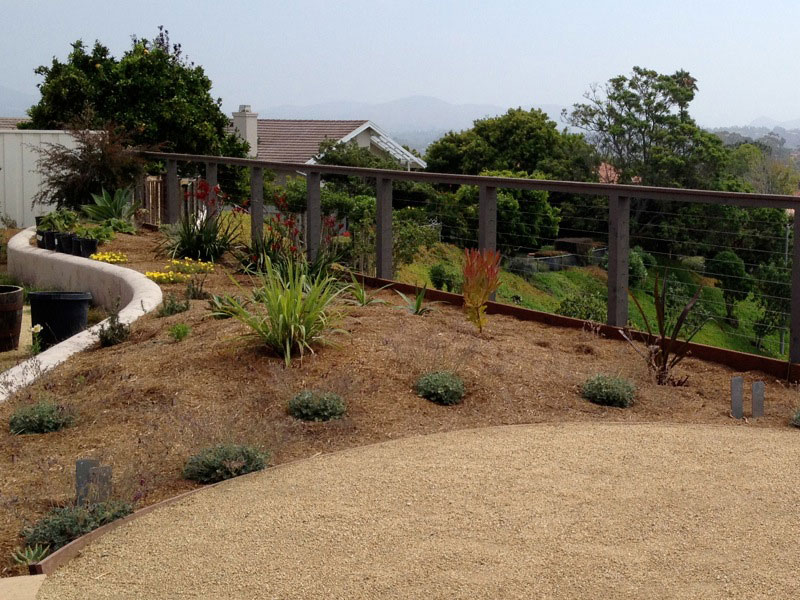
Professional Tips and Design Ideas for Stainless Cable Fences An attractive fence can serve as a cohesive design element in any new or existing landscape. Well planned outdoor designs will create a flow using a blend of colors and textures; no single element should stand out among the rest. The materials and colors we choose will largely determine the aesthetics and longevity of exterior cable fences. Consider the following information and construction ideas for your next fencing project: Wooden Posts and Rails– Using wood timbers for cable fences is an excellent way to create a natural look and a warmer feel than a vertical picket or rod iron fence. If durability is a concern when embedding wood posts “in ground” with concrete footings: A concrete casting tip for extending the life of wooden fence posts is to coat the bottom 12″-24″ (depending on footing depth) of the post with asphalt emulsion or asphalt fence paint prior to setting them in concrete. Using pressure treated wood timbers is another way to extend the life of any wood members making ground contact. In previous years the green color of pressure treated lumber was a turn off, but today most pressure treated utilizes a brown stain which tends to blend better with other woods/composites. Penetrating oil finishes and exterior paints also work well on wooden cable fences and provide the user with a multitude of natural and colored finish options. Steel Posts and Rails– Using steel members to construct your cable fence will typically increase the durability and minimize the visual profile of the fence frame. From a design perspective we should consider the age and style of the home as well as the existing landscape. A few tips for steel framed cable fences: Mild steel should never be considered as a material option for cable fences. The perforations will allow moisture to enter the posts and corrode them from the inside out. Galvanized and stainless steel fence posts are better options than raw steel or rod iron for exterior fences. A wooden top cap can really soften the look of any steel frame; especially outdoors. Additionally, you can avoid an industrial looking fence just by adding a simple piece of timber. Ipe’ hardwood lasts 30 to 50 years and will not jeopardize the durability of your fence. Cedar and Redwood are also popular cap choices. Choose colors that exist in place, or use bare stainless. Unless you are trying to showcase your fence, it should blend into the landscape. Grey tones and bare stainless steel with non reflective finishes are muted and work well for the most transparent fences. Are you considering a stainless steel cable fence? We offer complete fencing packages and design assistance as well as nationwide shipping. Give us a call at 844-277-7327 or visit the quote request page.