
Transforming San Diego Homes with Premium Glass Railing Systems
October 22, 2026


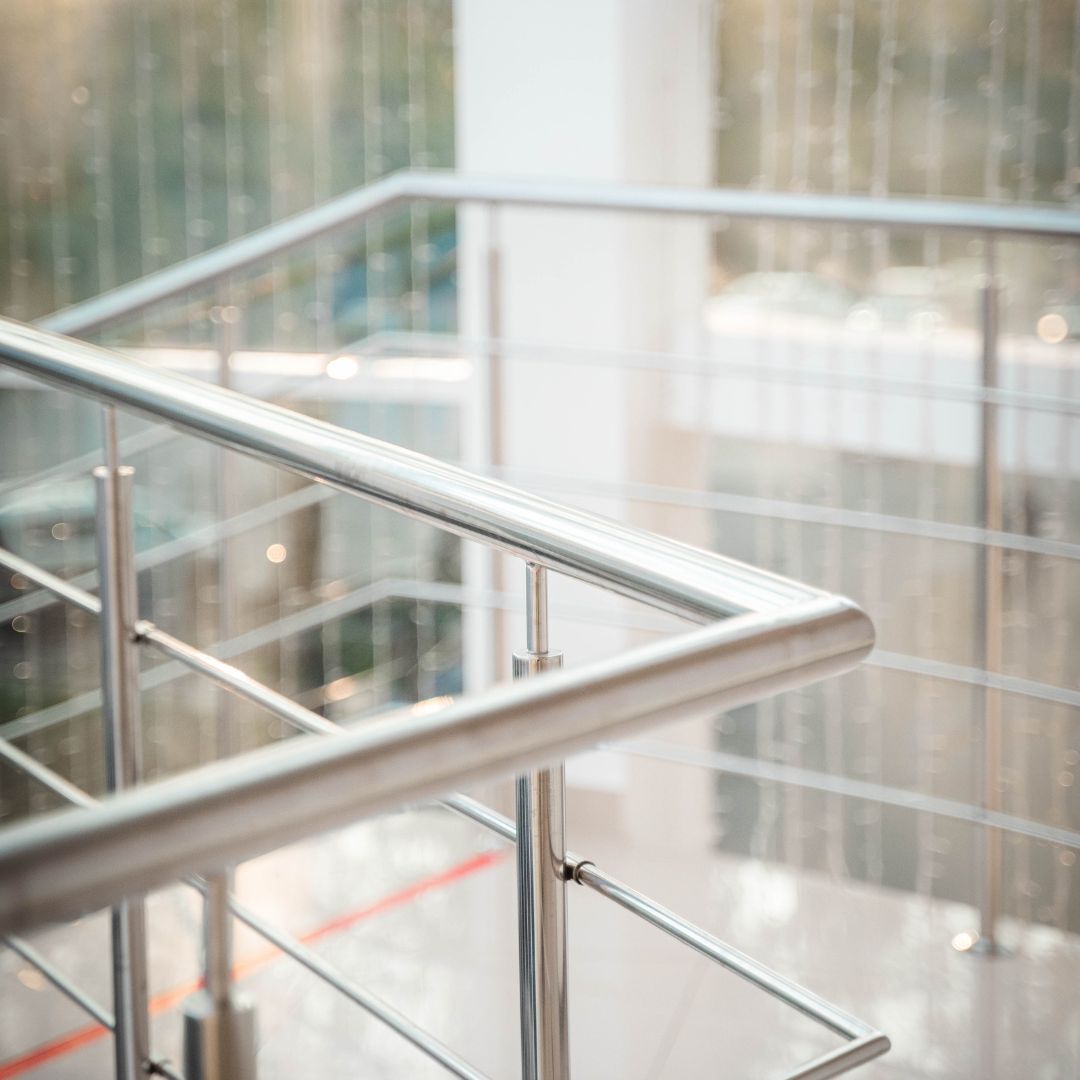
Calfornia’s Stringent Codes for Guardrails If you have ever tackled a building project, staircase, or deck build; building codes have probably popped up. Consumers and builders working in different states often wonder if the requirements in CA are stricter than the rest of the country. The short answer is YES, and particularly when it comes to guardrails and handrails in sunny California. In this article we will break down some of the differences across state lines and code requirements to keep your railing projects on track. The Differences Between Handrails and Guardrails Handrails are the graspable bars you hold while going up or down stairs or ramps—for support and balance. Guardrails (often just called “guards” or “barriers”) are the taller railings along open edges of decks, balconies, or stairs to prevent falls off the side. Most U.S. states follow the International Residential Code (IRC) for homes and the International Building Code (IBC) for commercial/multifamily buildings pretty closely. But California? They take those model codes and add their own twists via the California Building Code (CBC) and California Residential Code (CRC). Stricter Guardrail Heights in California Below we’ve listed some standards and differences in CA codes. As you’ll notice and to the dismay of our coastal view lovers- the 36″ option is eliminated. Standard IRC (most states, residential): Minimum guardrail height of 36 inches for decks, balconies, and open-sided stairs over 30 inches high. Standard IBC (commercial/multifamily in most states): 42 inches. California (CBC/CRC): 42 inches minimum for guards in nearly all cases, including residential. Many local amendments eliminate the 36-inch option entirely, mandating 42 inches everywhere to prioritize fall prevention. Some possible reasons for the differences: California’s dense population, varied terrain, and seismic risks lead to more conservative rules. This applies to both homes and commercial buildings.(Examples of proper 42-inch guardrails on decks and stairs—notice how they provide that extra barrier height.)Other shared rules (enforced strictly in CA): Openings can’t allow a 4-inch sphere to pass (child safety). Must withstand 200 lb concentrated load. Required on any drop over 30 inches. How does Cali Compare to Other States? States like Texas, Florida, or most of the Midwest: Stick close to pure IRC—36 inches is fine for residential guardrails. A few others (e.g., New York City) have their own stricter tweaks, but California’s 42-inch residential mandate is notably tougher than the national baseline. Consider this when using online tools for pricing estimates for deck and railing projects– more height means more materials and labor needed. Height Matters- No Grandfathering Railing retrofits often come with questions- “am I grandfathered in at 36?” If you’re building railings in California, going with 36 inches could mean a failed inspection—always double-check local amendments (LA or SF might add extras). Outside CA, you have more flexibility in residential homes.These rules are designed to save lives by reducing fall risks, especially for kids and in earthquake-prone areas. As of late 2025, we’re still under the 2022-based codes, with the next big update hitting in 2026—no major handrail/guard changes expected yet. Products and Services for CA. Handrails and Guardrails Many people choose to hire a stairway contractor or railing professional to guarantee handrail code requirements are safely met. Selecting a vendor like S.D.C.R. that is versed in California building codes and hiring a licensed contractor can help satisfy any code requirements. For level rails and non commercial applications our DIY products are very popular and effective ways to easily construct cable railings with professional results. High rise multi unit complexes, HOA’s, and municipalities are often required to use professional contractors for construction projects. Additionally, insurance claims often require the use of a professional. Glass railing systems are often handled by professionals versed in handling glass panels. Our team at S.D.C.R. has been fabricating and installing child safe, code compliant railings for nearly 2 decades in San Diego and counties all over California. If you are interested in learning more please give us a call or visit the quote request page to receive an estimate. QUOTE REQUEST california handrail code Is California’s Handrail Code Different Than Other States? MavenDecember 23, 2025 Glass Railing Codes, Modern Deck Railings Why Choose San Diego Cable Railings Over Amazon Kits MavenDecember 3, 2025 Glass Railing Codes, Modern Deck Railings Sleek Stairway Railings That Meet Code Requirements MavenNovember 25, 2025 Deck Safety, railing safety Railing Inspection Checklist MavenNovember 13, 2025 kids and cable railings Railing Safety for Kids MavenOctober 28, 2025 Browse More Posts
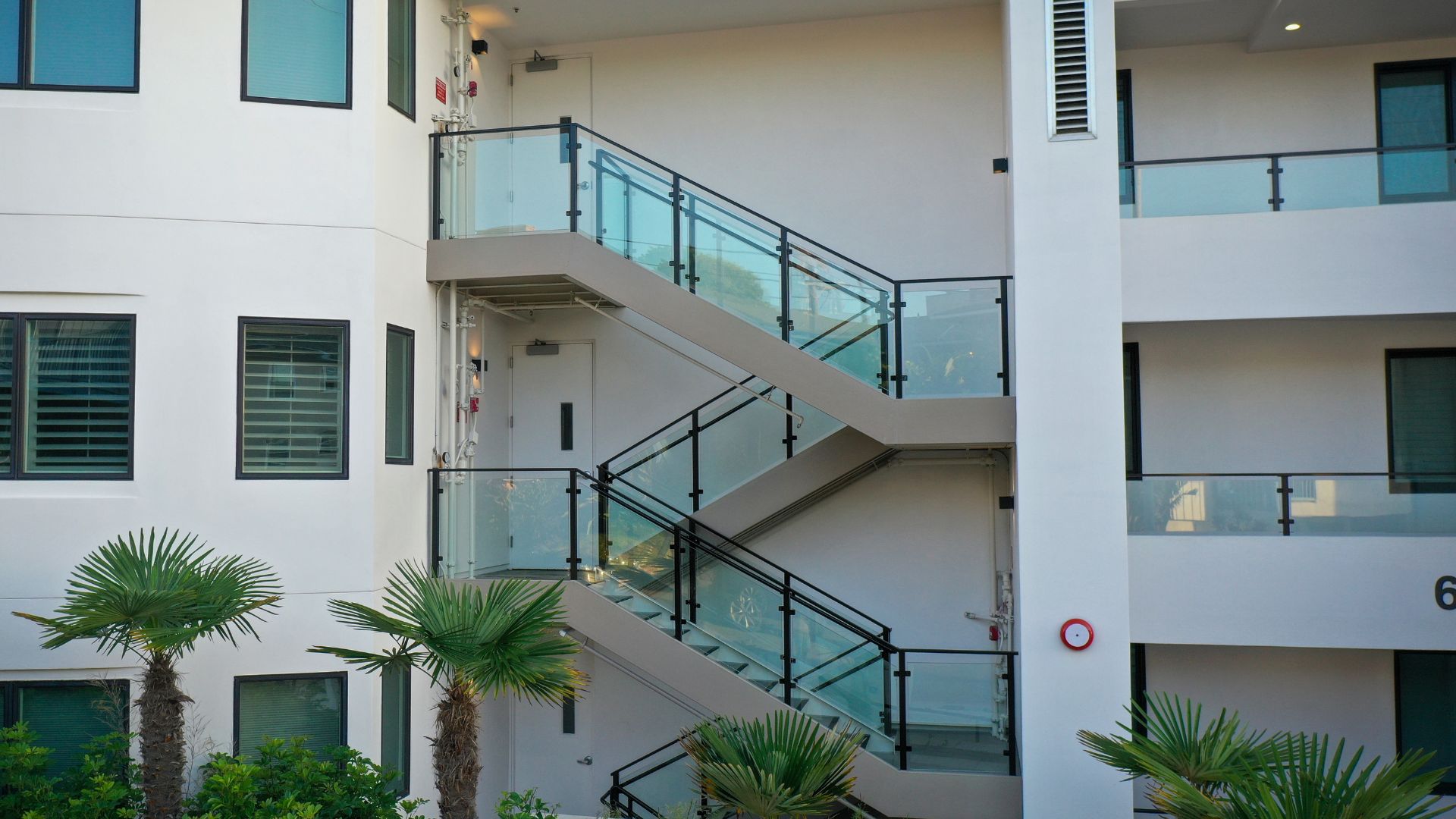
Code Requirements for Calfornia Handrails and Guardrails When referring to handrail code requirements it’s important to initially establish the differences between handrails and guardrails. Handrail is a term most often used within stairway railings and angled applications like ADA ramps where a graspable “handrail” is required. Guardrails more often refer to level rail applications and “barrier” railing applications. Residential stairway handrail requirements state that handrails are required on at least one side of stairways with four or more risers. Handrail height must be set between 34 and 38 inches measured vertically from the sloped plane of the stair tread nosing or finished surface of a ramp. Residential applications refer to group one private residences, single family use cases. When is a handrail not required? Stairways with fewer than 4 risers do not require handrails in residential applications. Deck surfaces that are less than 30″ in height above natural grade do not require guardrails; however if any railings are installed they must meet current code requirements. Lateral Force and/or Loading Requirements Handrails must be able to withstand a minimum force of 200 pounds applied in any direction at any point along the top rail. During a handrail inspection; the building inspector may select a point on the railing midspan and push or lean outwards to measure the lateral loading ability of the railing frame. He will also inspect the height of the railing at different locations to ensure uniformity and establish that the entire railing falls within code compliant height requirements. Installers and DIYer’s alike should keep this in mind when calculating post and top rail spans, vertical picket spacing and horizontal cable tensioning. Sturdy rails = easy inspections and code compliance. How do I figure out my railing height? Railing height should be measured from the top of the deck surface to the top of the railing cap member. A good rule of thumb is to measure from multiple locations to ensure uniformity across the surface. Decks and patios can vary, especially when dealing with slopes so it’s best to check height in multiple locations. Commercial Handrail Code Requirements Commercial handrail code is a bit more stringent than that of residential applications. Most notably, commercial stairways require handrails on both sides of the stairs and both sides of ramps in commercial buildings. The entire differences between residential and commercial code can be found HERE. Commercial stairs and ramps will be subjected to constant traffic in public settings and people of all ages and sizes. Examples of commercial railing applications : parks, restaurants, hospitals, office buildings, warehouses, docks, and piers. Products and Services for Safer Handrails Many people choose to hire a stairway contractor or railing professional to guarantee handrail code requirements are safely met. Selecting a vendor like S.D.C.R. that is versed in California building codes and hiring a licensed contractor can help satisfy any code requirements. For low level rails and non commercial applications our DIY products and solutions are very popular and effective ways to easily construct cable railings with professional results. High rise multi unit complexes, HOA’s, and municipalities are often required to use professional contractors for construction projects. Additionally, insurance claims often require the use of a professional. Our team at S.D.C.R. has been fabricating and installing child safe, code compliant railings for nearly 2 decades in San Diego and counties all over California. If you are interested in learning more please give us a call or visit the quote request page to receive an estimate. QUOTE REQUEST california handrail code California Handrail Code MavenMarch 5, 2025 Cable Railing News Modern Gate Designs MavenFebruary 4, 2025 Rustic Modern Railings Rustic Modern Railings MavenJanuary 14, 2025 cable deck railings 2025 Deck Railing Choices MavenDecember 17, 2024 ADU Railings Best Rated Deck Railings MavenDecember 17, 2024 Browse More Posts