
Transforming San Diego Homes with Premium Glass Railing Systems
October 22, 2026


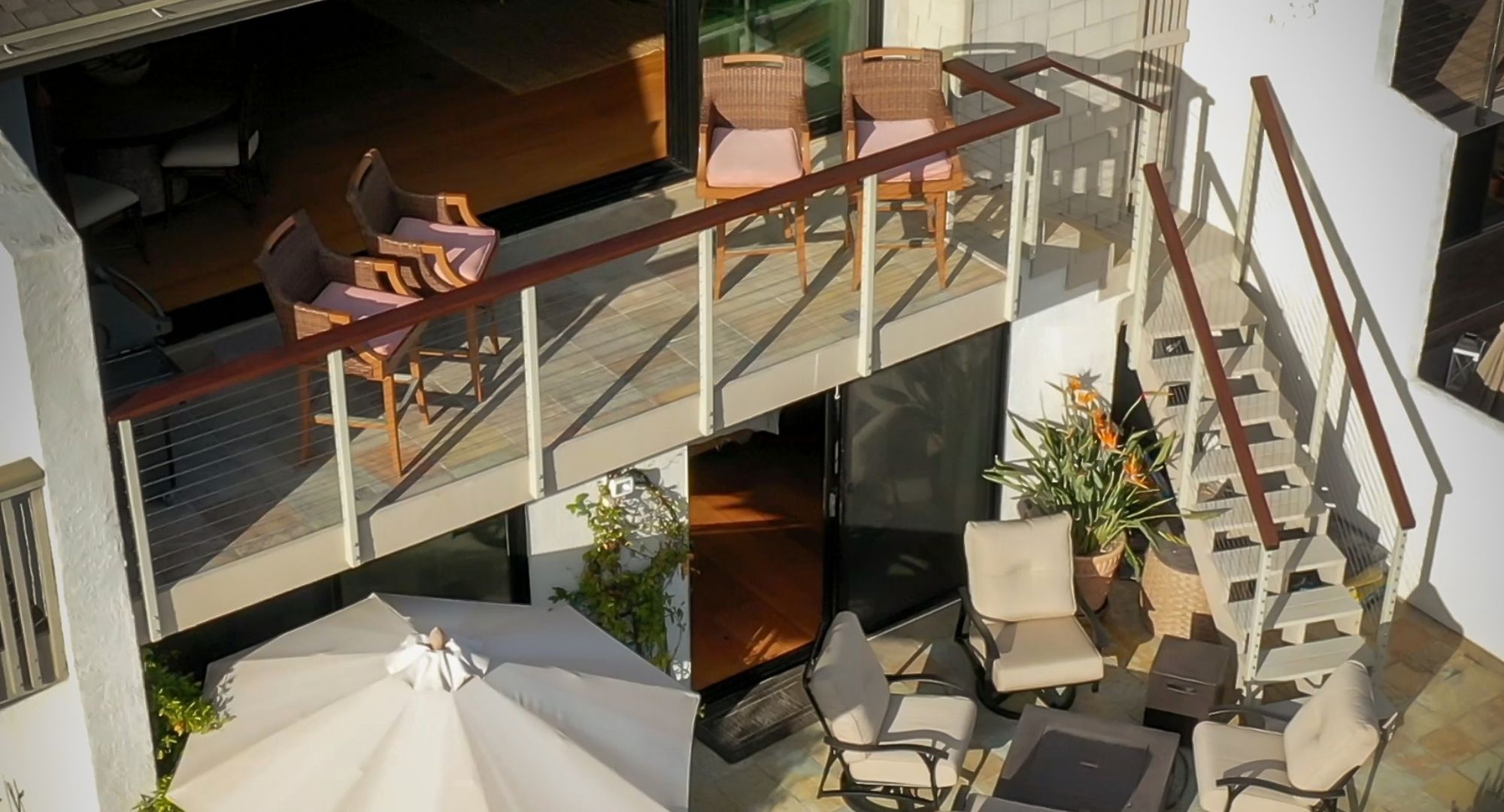
Upgrading your home’s outdoor living area is an exciting opportunity to boost property value, enhance visual appeal, and maximize your surrounding views. While traditional wood or aluminum balusters have their place, modern cable railings offer an unbeatable blend of durability and open-concept style. Here is how to know when deck cable railing is the right upgrade for your backyard. You Want to Preserve Unobstructed Outdoor Views If your property overlooks a beautiful backyard, ocean horizon, or lush valley, bulky traditional balusters create unnecessary visual barriers. Installing sleek cable railings for decks allows natural light and landscapes to pass right through, maximizing your sightlines effortlessly. Learn more about our design philosophy and discover how our high-grade materials elevate residential architectural style. You Need a Durable System Built for Coastal Weather Standard wooden railings often warp, rot, or require constant painting, especially when exposed to coastal moisture and harsh weather elements. High-grade stainless steel cables naturally resist corrosion, delivering superior structural longevity with minimal maintenance over time. Explore custom layout options and long-lasting structural components by reviewing our primary railing systems. You Are Modernizing Your Home’s Architectural Style Updating an outdated deck with thin horizontal or vertical cables instantly transforms your entire exterior aesthetic into a modern masterpiece. The crisp lines of metallic cable infill complement contemporary architecture, concrete patios, and rich hardwood decking seamlessly. If you need expert guidance on custom dimensions or local building codes, get in touch with our team. You Want Safety Without Sacrificing Visual Openness Cable systems provide an exceptionally strong physical barrier that keeps family and guests completely secure along elevated deck edges. Because the thin cables maintain high tension and narrow spacing, you get full safety compliance without feeling enclosed or boxed in. It is the perfect balanced solution for safety-conscious homeowners who love expansive outdoor living. Choosing the right time to upgrade your outdoor deck comes down to balancing long-lasting structural strength with breathtaking, open-concept aesthetics. At San Diego Cable Railings, we provide premium cable railing systems tailored to meet your property’s unique layout and design vision. Explore our product galleries today to start planning your ideal outdoor transformation or reach out for expert guidance.
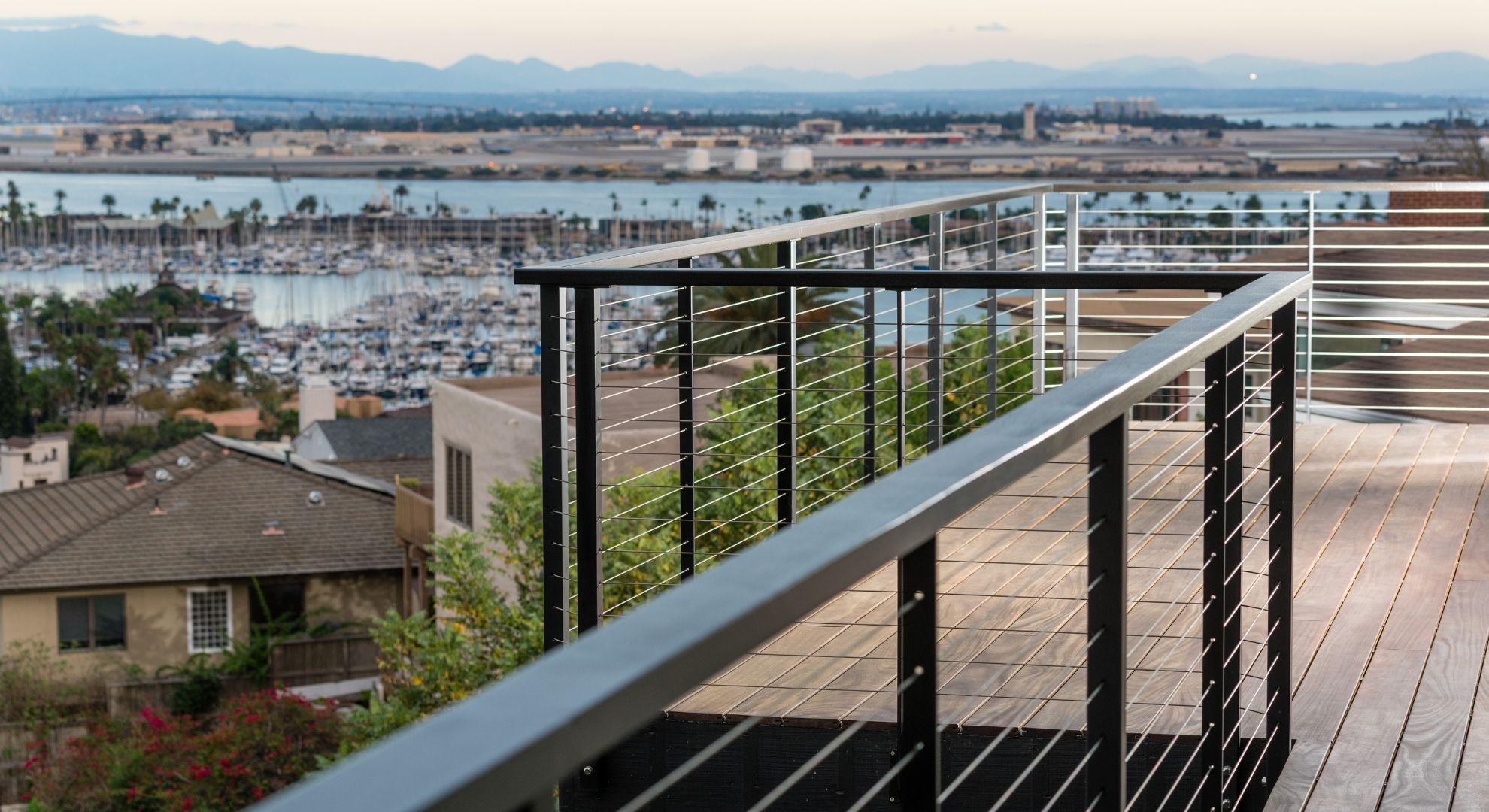
When designing your dream outdoor living space, preserving the scenery is often a top priority. Choosing between wood, glass, and stainless steel can significantly impact the sightlines and maintenance routine of your California home. San Diego Cable Railings is here to help you navigate these options and discover the ideal balance of aesthetics, durability, and unobstructed visibility for your property! The Traditional Appeal of Wood While wooden barriers offer classic charm, they often create significant visual obstructions. Thick wooden balusters can block your line of sight, making your outdoor space feel enclosed. Additionally, wood can require continuous scraping, staining, and sealing to prevent rot. For San Diego homeowners prioritizing an expansive outlook, traditional wood framing ultimately detracts from the surrounding natural beauty. The Clarity and Challenges of Glass Glass railing systems provide an incredibly clear view initially, but they demand constant upkeep to maintain that pristine appearance. Fingerprints, water spots, and bird droppings can quickly accumulate, requiring daily wiping. While undeniably sleek, the heavy maintenance burden and restricted airflow often make glass panels a frustrating choice for busy homeowners seeking a relaxing environment. The Sleek Efficiency of Stainless Steel Opting for a stainless steel deck railing introduces a sleek, modern aesthetic that effortlessly blends into any architectural style. The high-strength materials allow for surprisingly thin profiles, resulting in highly resilient barriers that easily withstand harsh weather conditions. We consistently find that stainless steel frames deliver exceptional long-term structural integrity without demanding continuous, exhausting maintenance. Maximizing Views With Exterior Cable Railing Systems Integrating exterior cable railing systems into your design guarantees maximum visibility and structural strength. The slender cables practically disappear against the landscape, offering the unobstructed sightlines of glass without the endless cleaning. San Diego Cable Railings highly recommends residential deck cable railings for maximizing your panoramic views while maintaining superior safety, durability, and a gorgeous modern aesthetic. Selecting the right materials transforms your outdoor space, and prioritizing low-maintenance options ensures you spend more time enjoying the scenery. Stainless steel framing paired with sleek cables offers the perfect solution for preserving your sightlines. Explore the diverse configurations offered by San Diego Cable Railings, and browse our gallery to gather inspiration for your upcoming renovation!
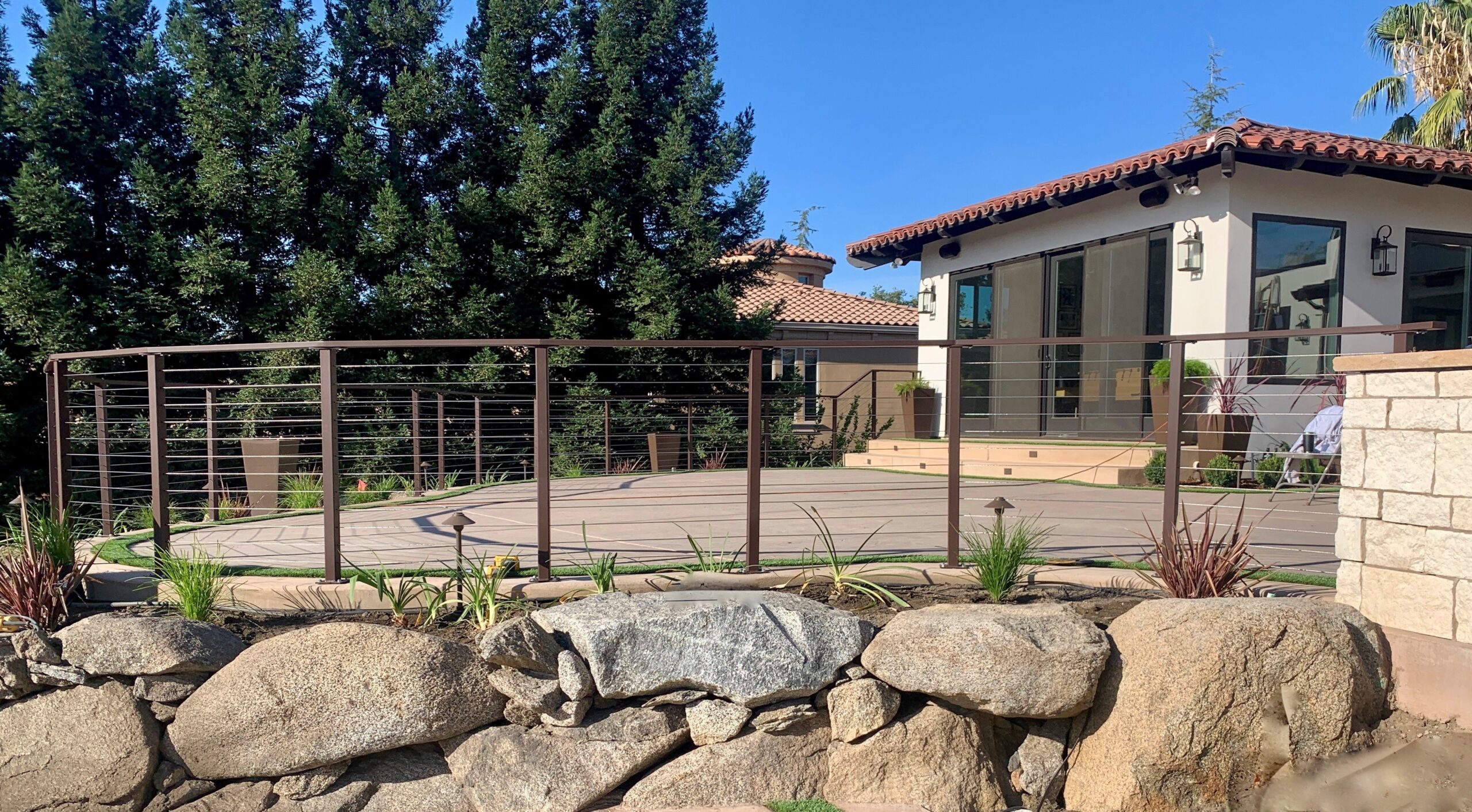
The most commonly utilized materials for constructing deck railings are metal, wood, and composite materials like Trex. Selecting the right material for deck railings can be a challenge with so many choices among the material types and preferences for safety and durability. Which type of wood is best? What type of metal should use for a coastal railing? Is stainless steel a better choice than aluminum? In this post we will answer these questions as well as some common questions regarding material choices for constructing deck railings. Top Choices for Metal Railing Materials Metal railings are arguably the most durable and widely utilized railing type available in today’s marketplace. Despite this durability, constructing a standard iron railing in the wrong setting or using the wrong metal combinations can have a detrimental affect on longevity. Our favorite material for constructing metal railings is stainless steel. Using similar metals like stainless frames combined with stainless cables will achieve the best results. Stainless steel is available in different grades for different levels of exposure. Type 316 stainless steel can be left exposed to the elements with a bare finish; standard iron railings can not. Iron will often rust when left exposed to the elements and almost always requires a coating for durability. When compared to aluminum, stainless steel is stronger and more attractive; allowing for leaner profiles due to its strength. Stainless railing frames require less components, grommets, and bushings when used in coastal settings. For modern railing infill like cable and glass panels, stainless steel is superior to wood, aluminum, mild steel, and rod iron railing systems. The price point for stainless steel is higher than many comparable materials; however the durability and longevity is superior. Best Wood Types for Exterior Construction Wood is widely used for construction projects and allows for flexibility as it is widely available. Wood can be stained or painted to achieve different looks and colors. Bare wood finishes are also popular and wood is relatively inexpensive when compared to most steel options. Some drawbacks to using wood framing for railing projects are maintenance requirements and durability issues related to insects and or dry rot fungus. Wood can be combined with steel and/or stainless steel to construct hybrid railing systems which offer a bit of cost savings and versatility when compared to all steel or all wood systems. For exterior structures with maximum exposure, hardwood species like Ipe’ will perform better than softer woods like cedar, fir, and redwood. Soft woods should be treated with penetrating oils, or painted for maximum durability. The price point for many wood species is better than steel and aluminum in most cases. Composite Products and Vinyl Railing Materials When it comes to low maintenance and use as a decking (flooring) material, composites are very hard to beat. They require much less up keep than traditional wood, rarely scratch or fade. Despite the ease to maintain, they lack the beauty and charm of natural wood and cost wise composite products can be very expensive. For years we have utilized composite materials as a capping material for wooden and steel sub rails to add durability or to color match decking material. For structural purposes and railing frames we do not utilize or recommend composite products. Structurally speaking, composite and vinyl materials do not measure up to steel, hardwoods, and aluminum railing frames. The amount of expansion and contraction during heat and cold make maintaining these railing types more difficult. Even the best fasteners can be sheared by this expansion and for this reason our top recommendation for railing material type is stainless steel. Vinyl fencing (non structural or load bearing) is durable and long lasting when utilized for perimeter fences, however we do not recommend or utilize vinyl products for constructing railing systems. San Diego Cable Railings and our preferred installation contractors have been fabricating and installing deck railings since 2009. Our steel, stainless steel, and wooden railing systems offer unmatched aesthetics and durability. We offer a full line of stainless steel railing posts, cable and glass railing packages, and preferred installation of the products in the state of California. if you have questions or would like to obtain pricing for interior or exterior railings please give us a call or visit the quote request page. CLICK HERE TO REQUEST A FREE ESTIMATE