
Transforming San Diego Homes with Premium Glass Railing Systems
October 22, 2026


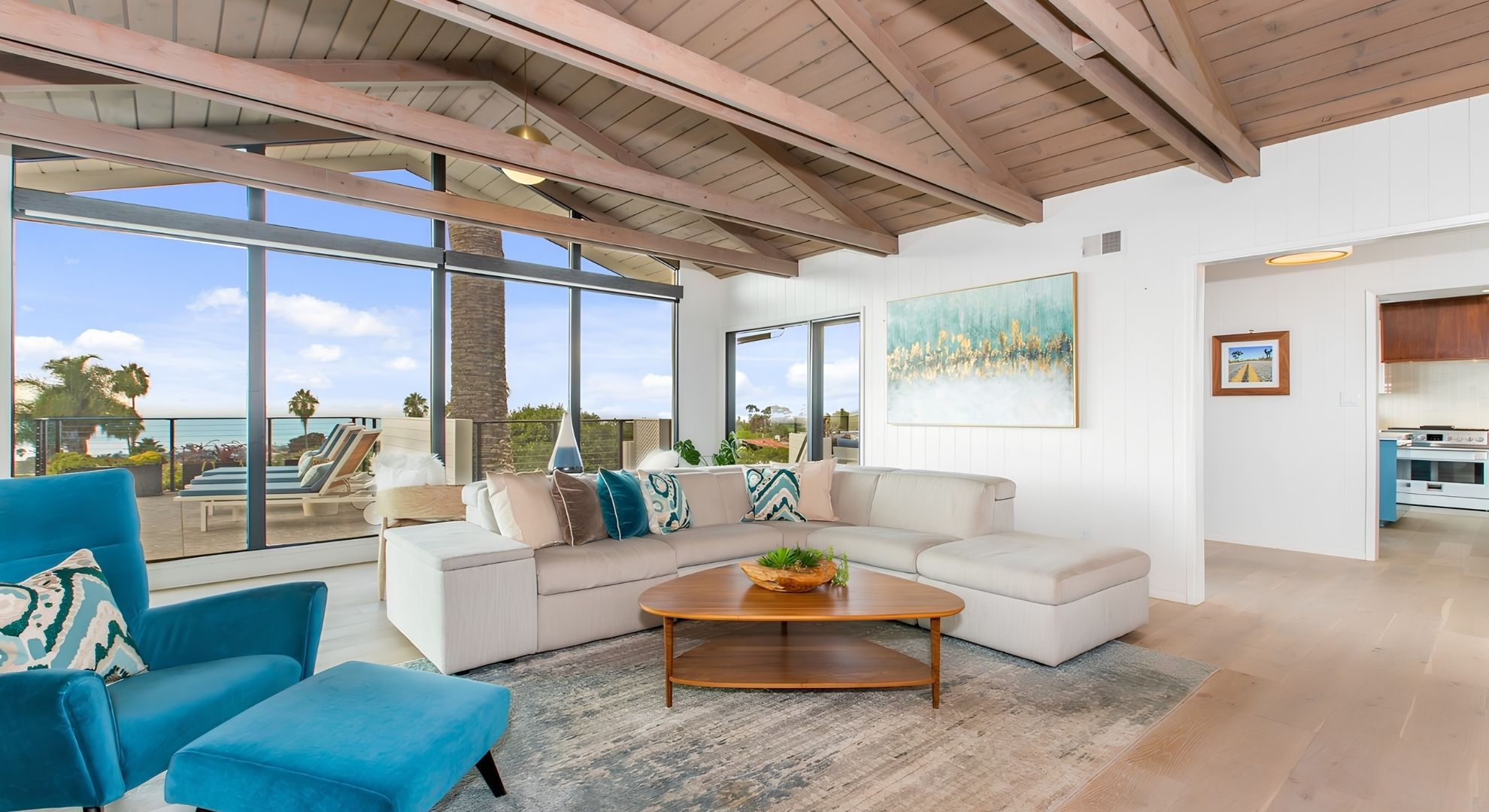
Living by the ocean in California provides breathtaking views, but the harsh saltwater environment relentlessly attacks exterior building materials. Protecting your outdoor investments requires selecting the absolute best coastal deck railing materials available. San Diego Cable Railings understands the unique challenges posed by coastal climates and want to highlight why specific metal alloys are strictly required for long-lasting structural integrity. The Threat of Corrosive Salt Air Oceanfront environments expose outdoor fixtures to a continuous barrage of corrosive salt air and heavy moisture. Standard metals can deteriorate rapidly under these harsh atmospheric conditions, leading to dangerous structural weaknesses. We recognize that finding a truly rust resistant exterior railing is absolutely paramount for local homeowners who want to guarantee the safety of their seaside balconies. Understanding the Molybdenum Advantage What sets 316 marine grade stainless steel railing apart is the addition of molybdenum. This specific alloying element drastically increases the metal’s resistance to chloride corrosion found in marine environments. We strongly advise utilizing this superior grade, as it actively prevents the pitting and rapid degradation that inevitably destroys lesser materials exposed to ocean spray. Preserving Your Panoramic Ocean Views Installing an oceanfront deck cable railing ensures your incredible seaside scenery remains completely unobstructed. The incredibly thin tension wires vanish against the horizon, maximizing your visual connection to the beach. We always recommend these streamlined systems to California property owners wanting both industrial-strength security and an immaculate, transparent boundary that celebrates their beautiful coastal location. Long-Term Value & Maintenance Investing in coastal deck railing stainless steel ultimately saves you significant time and money. While standard materials require constant repainting and frequent replacement, marine-grade alloys provide decades of reliable performance. We believe that choosing the most durable stainless steel railing for salt air represents the smartest financial decision for protecting your beautiful beachfront property’s value. Securing your beachfront property requires materials specifically engineered to withstand relentless oceanic elements. Upgrading to marine-grade alloys guarantees structural longevity while preserving your beautiful, unobstructed horizon line. Reach out to San Diego Cable Railings to discuss your specific coastal requirements, and review our product specifications to see how our systems protect your home.
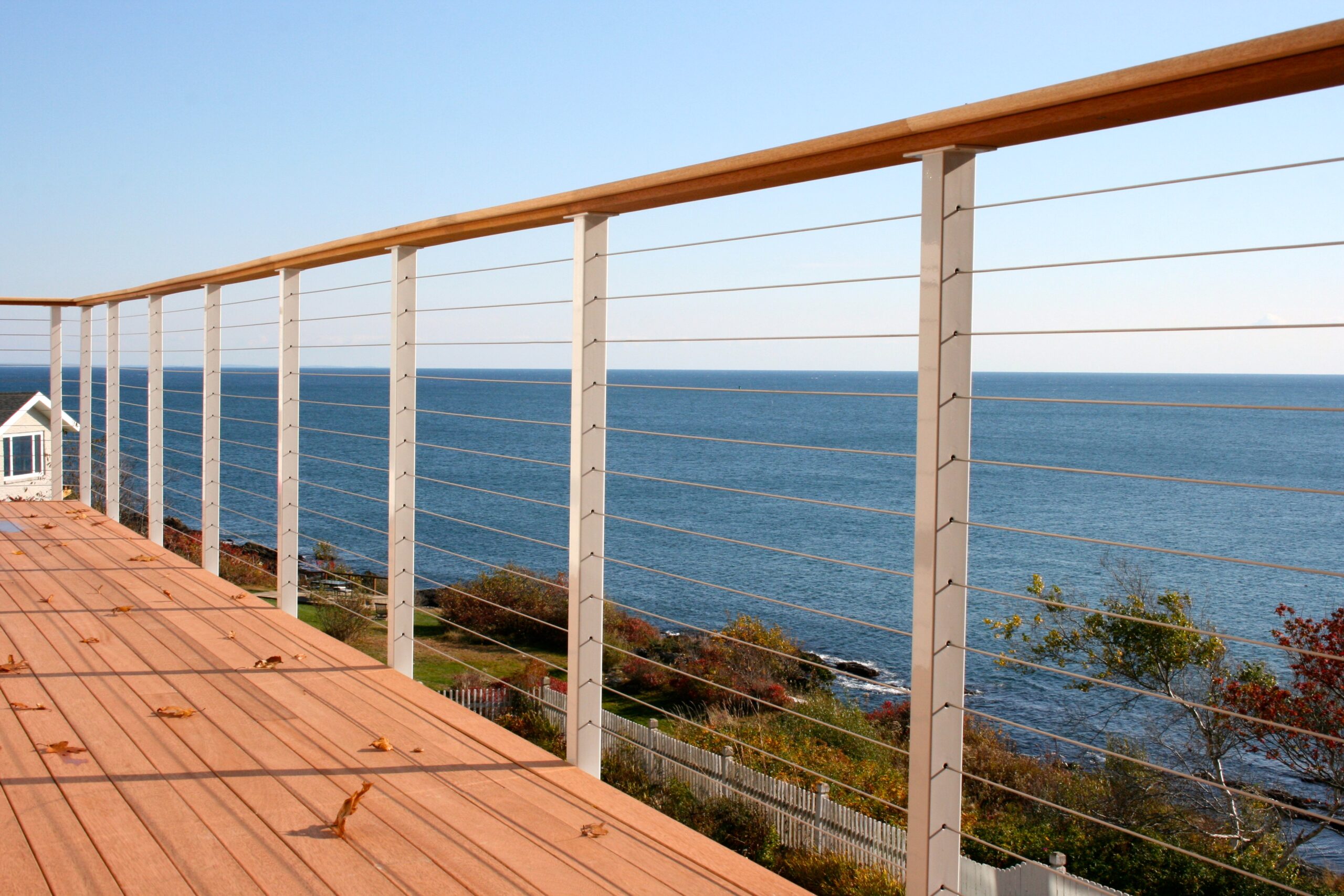
Marine environments can be extremely harsh on building materials and challenging for builders. Only the highest quality and most durable products are suitable for coastal decks and railings. Here are some tips and recommendations for your coastal deck build: 1) Maximize the lifespan of your building products with paints, stains, and coatings. Coastal environments are destructive primarily because of salt, moisture, and UV. High quality coatings minimize the effects of these stressors. Coastal decks call for extreme protection to maximize the lifespan. Bare framing lumber should be primed and painted while stain grade exposed products should be treated with penetrating oil finishes. Some customers are choosing to construct “dry decks” which are epoxy coated to shed water completely from the deck surface. 2) Select fasteners that will survive in coastal conditions. Stainless steel fasteners are commonly used on decks construction by the ocean. This is not only for corrosion resistance but also to protect the fasteners from chemicals in pressure treated lumber. Stainless steel bolts, framing nails, and deck screws are a worthwhile investment. Corroded fasteners lead to weak connections and possible damages or injury resulting from failures. Even heavy duty hardware like Simpson brackets and post bases are available in stainless steel and should be utilized in salt spray conditions. 3) Use joist jackets (deck protector, joist tape) to protect framing timbers. Protective tape not only protects fasteners and slows corrosion; it also protects timbers from moisture intrusion via cracks or penetrations. This can be especially useful when protecting doubled joists and blocking where two timbers meet and trap moisture. 4) Construct marine grade railing systems for beauty, safety, and security. Stainless steel railings have been a fixture on sailboats for decades; with good reason. Few other options can compare when it comes to surviving the environmental conditions on the coast. Coastal decks need sturdy long lasting railing posts made from T316 marine grade stainless steel. Tempered glass is another popular infill option for stainless steel railing systems by the beach. Both glass and cable railings are durable and transparent; protecting guests and pets from fall hazards on raised decks. San Diego Cable Railings marine grade railing products are a top choice among professionals and DIY deck builders. Our in house line of railing posts and cable assemblies will survive the test of time even in the harshest environments. Give us a call or visit the quote request form to obtain pricing and information for your next decking project.
Installing Radius Railings and Curves Using Stainless Steel Cables If you ask an experienced craftsman about creating curves with straight materials like lumber and steel; they will likely tell you it is a labor of love. Radius Railings take time and a good bit of patience, but the finished results can be spectacular and unique. Curves can be achieved on cable railings and cable fencing projects; here are some expert tips on how: Preparation- A scaled drawing is a great way to get an accurate vision of the curve you are creating. Softer curves will almost always be less difficult than tight curves. For example; many deck builders will encourage a minimum of 12′-16′ for a radius application. A scaled radius can be created on simple graph paper with the help of a protractor. Post Spacing- In order to maintain a curve, the distance in between railing posts must be shortened. As the cables exit the railing posts they will create their own angle towards the next railing post. Typically a 4′ post spacing call out will be shortened to 30″-36″. The tighter spacing will help create the illusion of curved cables. Skill Level- Radius Railings as well as curved decks can often require the skills of a professional. Bending pipes, bars, and/or creating curved wooden members can sometimes mean special equipment. Sometimes curved steel railing sections will be fabricated in one single piece to be attached in place at the job site. Do it yourselfers may consider having a curved top railing member professionally fabricated. A single piece of pre made top rail could then be attached to the DIY post and cable system. Safety- An important structural note about Radius Cable Railing applications is that every post included in a radius is under a tension load. On curved railings the cables are contacting every post perforation as well. Mixing dissimilar metals is not advised for curves. A stainless steel cable on stainless steel post contact is the best choice for radius railings. Additionally, the use of engineered railing posts that are designed to sustain cable tension loads is an important consideration for curved cable railings. Questions about curves??? Talk to one of our pros at 844-277-7327 or use the quote request page!!