
Modern Interior Railing Trends for Luxury Homes
March 3, 2026


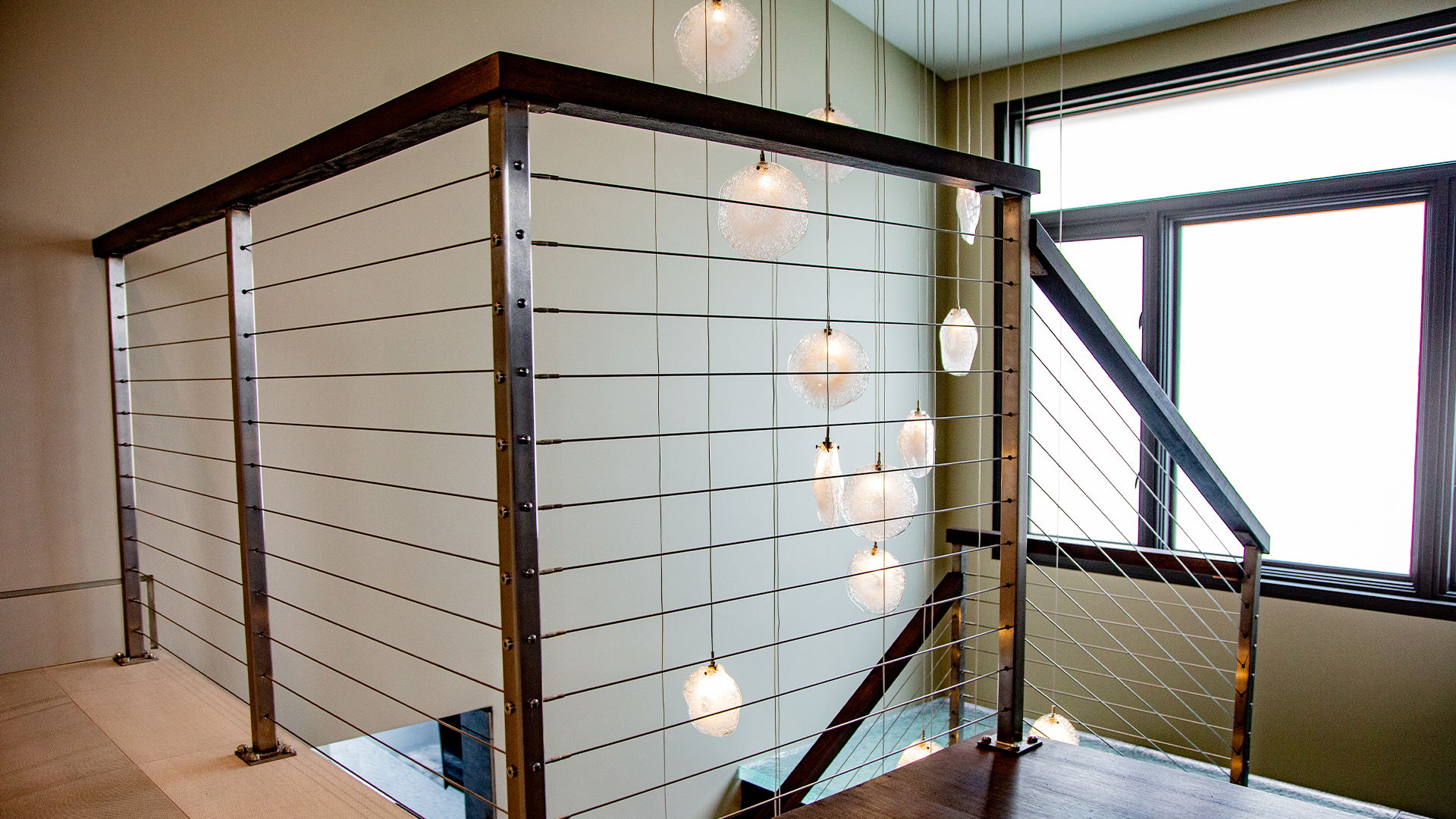
Refreshing your home’s interior often starts with the architectural details that define your space. Railings are no longer just safety requirements; they are sculptural elements that influence light and flow. Whether you are overlooking a coastal living room or finishing a modern loft, the right system creates a seamless transition between levels. The Sleek Appeal of Stainless Cable Interior stainless steel cable railings offer an industrial yet refined look that suits almost any decor. By utilizing thin, high-tension cables, we create a barrier that feels virtually invisible. This allows your interior architecture to remain the star of the show. These systems are incredibly durable and require minimal maintenance over the years. Maximizing Light with Glass Panels If your goal is to maintain an open-concept feel, indoor cable railings systems or glass panels are the premier choice. Glass eliminates visual breaks, allowing natural light to flood through your stairwells and balconies. We often recommend this for narrow hallways or smaller lofts where traditional wooden spindles might feel too heavy or dated. Defining Spaces with Bold Metal Rods For those seeking a more structured and architectural statement, metal rod infill provides a sophisticated alternative. These solid horizontal lines provide a sense of rhythm and strength. When paired with powder-coated black or brushed steel posts, they offer a contemporary edge that perfectly complements minimalist furniture and clean, modern interior design schemes. Versatile Railing for Lofts and Landings Every balcony and landing presents a unique design opportunity. We focus on integrating our systems into the existing footprint of your home to enhance safety without sacrificing style. From standoff glass pins that offer a floating appearance to side-mounted cable posts, the versatility of modern materials ensures a custom fit for every unique San Diego floor plan. San Diego Cable Railings is dedicated to providing premium, high-end solutions that transform your living environment. We pride ourselves on delivering quality craftsmanship that stands the test of time. Would you like to see our latest project gallery or receive a custom quote for your upcoming interior renovation?
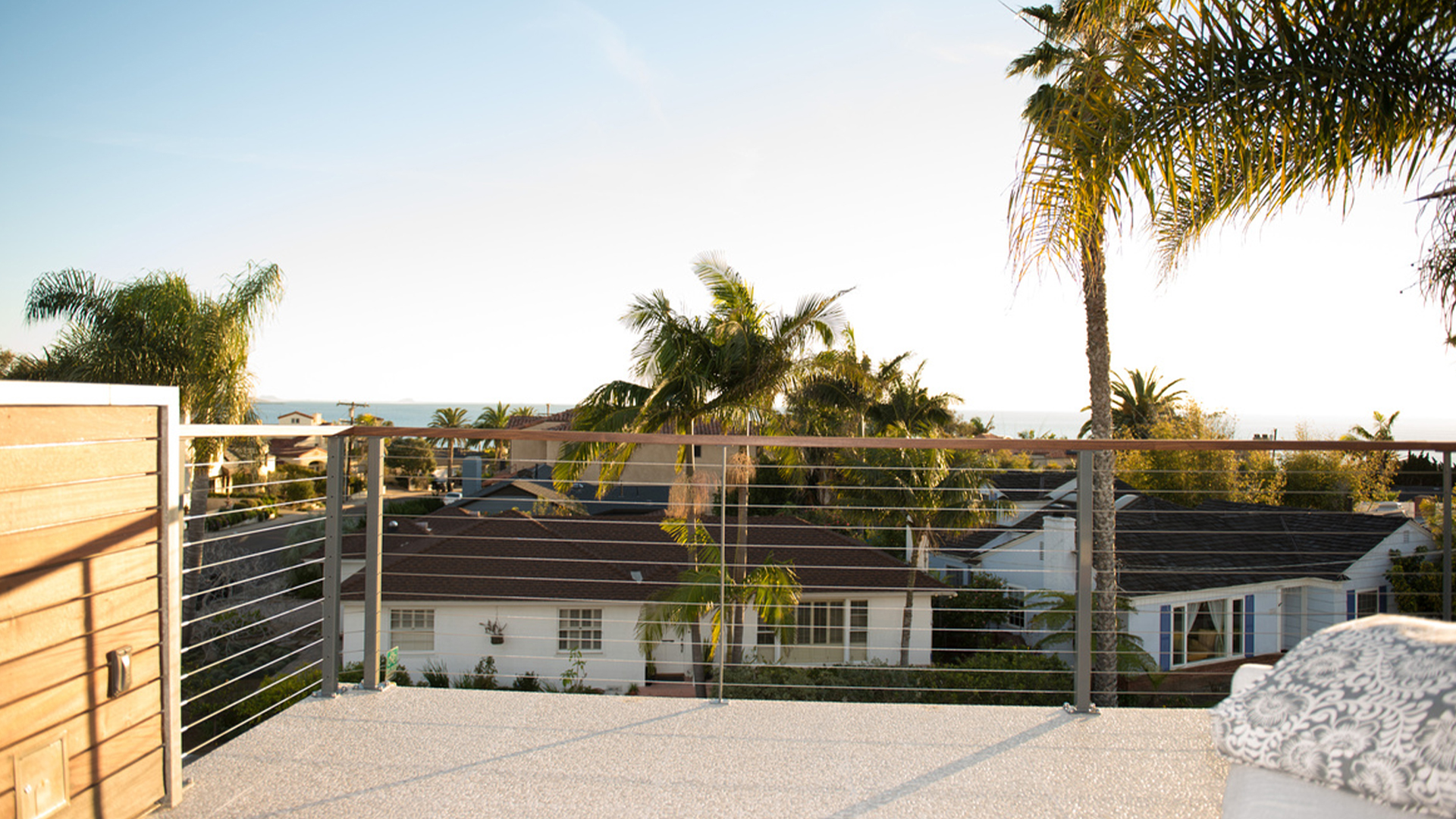
When we design a modern living space, the transition between safety and style should be seamless. We believe that a railing should do more than just protect; it should enhance the architectural profile of your home while keeping your views completely unobstructed. Whether indoors or out, our custom solutions prioritize clean lines and high-quality materials. Embrace the Contrast of Light and Dark We love the dramatic contrast created by pairing dark powder-coated posts with bright stainless steel accents. This “light and dark” aesthetic provides a sophisticated, industrial vibe that fits perfectly with minimalist home designs. By utilizing modern stainless steel cable railings in a darker frame, we help you create a bold visual anchor that remains remarkably elegant. Transform Your Space with Minimalist Lines Modern cable railings systems have a unique ability to make a home feel brand new without a full renovation. We have seen how replacing bulky wooden balusters with slim, horizontal cables instantly updates a property’s profile. Our systems are designed to provide a clean, high-end look that increases your home’s value while offering unmatched durability for years. Let the Light In with Transparent Infill One of the greatest advantages of contemporary cable railing is the way it interacts with light. Traditional railings often create shadows and block the flow of sunshine, but our thin cable infills allow light to pass through effortlessly. This transparency makes your hallways and decks feel much larger and more connected to the beautiful California landscape outside your windows. Maintain an Open Environment and Clear Views We prioritize “open-concept” living in every system we manufacture. By choosing a modern aesthetic, you eliminate visual clutter and maintain sightlines across your property. Whether it is an interior staircase or an exterior balcony, our railing solutions ensure that your view remains the star of the show, providing safety without ever making a space feel enclosed. These design choices represent the pinnacle of modern home improvement, blending structural integrity with a high-end aesthetic. At San Diego Cable Railings, we specialize in providing these premium solutions for both professional contractors and DIY enthusiasts nationwide. If you are ready to elevate your home, we invite you to explore our gallery for more inspiration or contact us today for a custom quote on your next project.
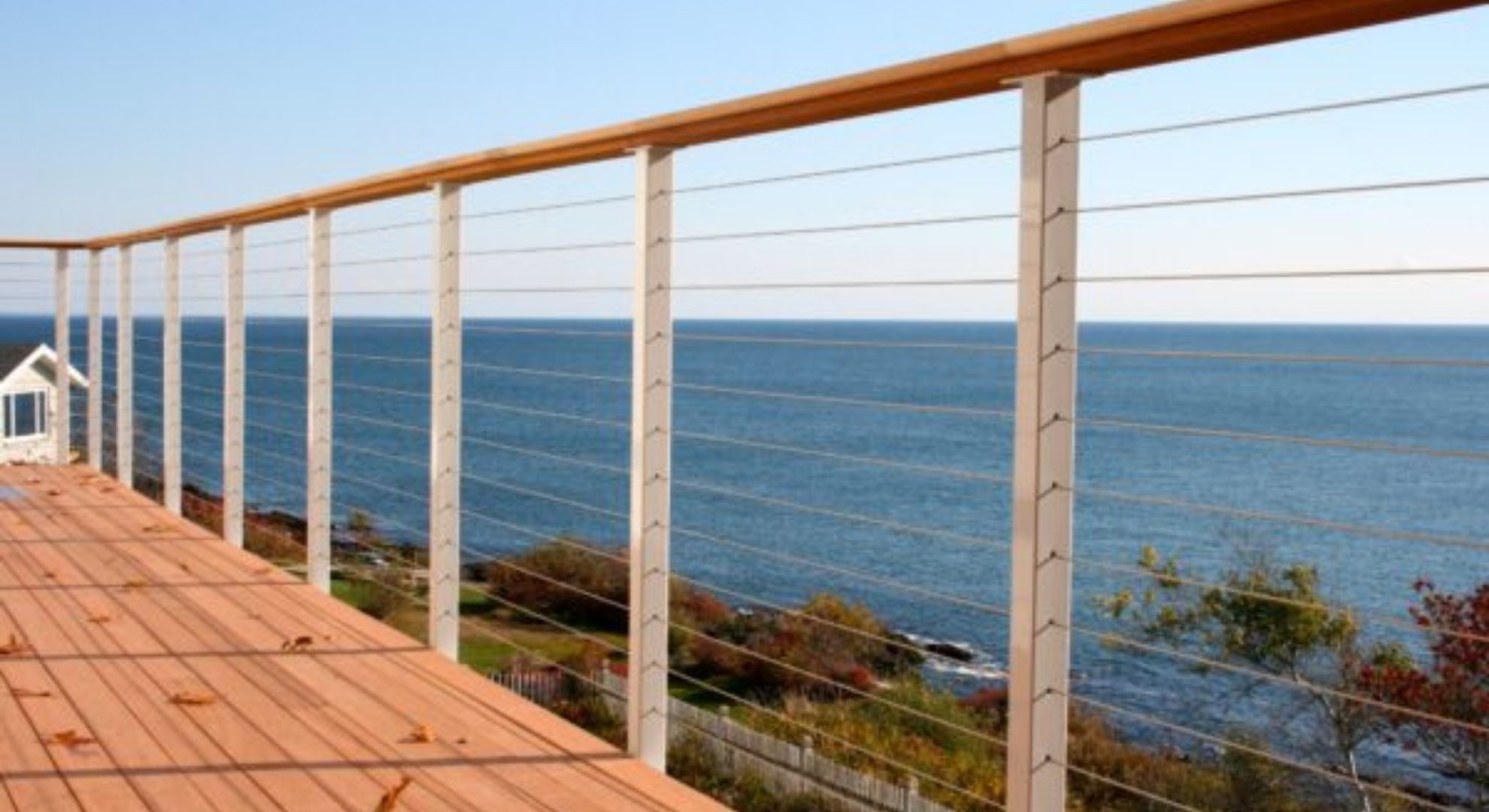
One of the most common questions our team at San Diego Cable Railings receives is about cost. We understand that investing in a beautiful new railing system is a significant decision. The truth is, there’s no single price for a new stainless steel cable railing, as the total cost depends on a few key factors. We’re here to provide a transparent breakdown to help you understand what you’re paying for and why this investment is worthwhile. Understanding Material and System Costs The cost of your new railing is largely determined by the materials you choose. Marine Grade T316 stainless steel, which is ideal for coastal areas, is more expensive than other grades but offers superior corrosion resistance and longevity. The type of system also matters; a simple, straight-run stainless steel deck railing will have a different price per linear foot than a custom system with multiple turns and complex hardware. How Project Complexity Influences Price Factors such as the total linear footage, the number of corners, and the presence of stairs or multi-level platforms will increase the number of posts, cables, and specialized fittings required. Our designers can help simplify even the most complex projects, ensuring a clear plan and budget from the very beginning. The Value of Professional Labor and Expertise While materials are a key component, professional labor is a significant part of the total cost. Our experienced installers at San Diego Cable Railings ensure every component is installed with precision to meet safety codes and achieve a flawless aesthetic. This investment in professional expertise saves you time and guarantees a perfect result! Additional Customization and Features Beyond the core components, additional features can add to your project’s total. These include adding a custom top rail, integrated lighting systems, or specific post finishes. These customizations allow us to create a truly unique stainless steel railing system. Get Started With Stainless Steel Deck Railing Understanding these factors is the first step toward a successful railing project. Whether you’re considering a small residential deck or a large commercial space, we believe in providing a solution that fits both your vision and your budget. For a precise and personalized estimate on your stainless steel cable railing project, contact our team at San Diego Cable Railings today! Submit a Quote Request
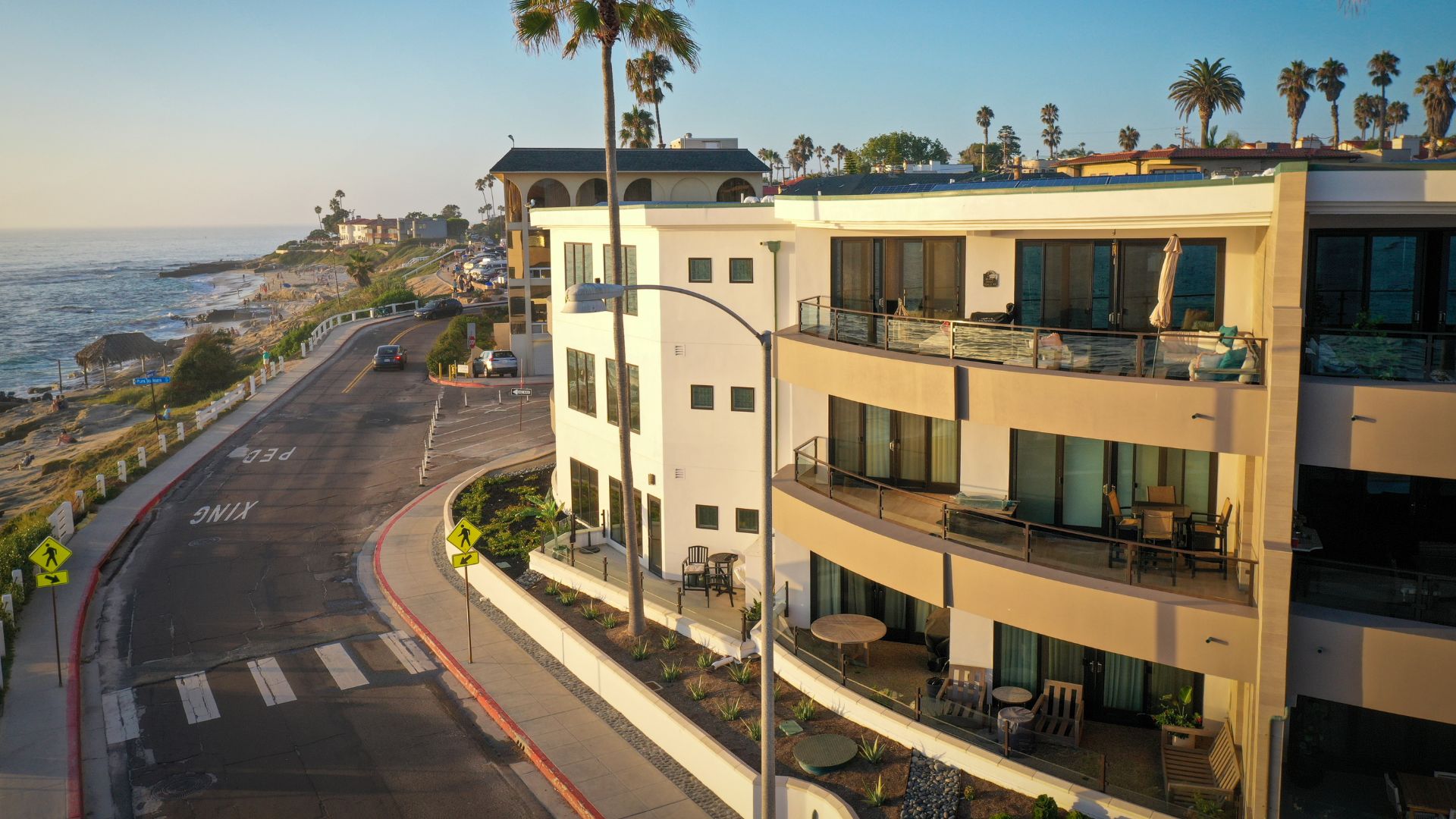
Understanding the Nuances: Disadvantages of Stainless Steel Railings for Your Home At San Diego Cable Railings, we often highlight the many benefits of our high-quality cable railing systems; from their sleek, modern aesthetic to their incredible durability. The short answer to the topic of this blog- “are there disadvantages?” – NOT MANY. So few of note that in fact that we really need to focus more on tradeoffs with certain aspects of stainless railing systems in comparison to other systems. It’s important to have a comprehensive understanding of any material you choose for updating or remodeling your home. Stainless steel is a fantastic choice for so many applications from cookware to railing systems. Let’s compare and contrast its versatility and durability with other popular railing choices. Initial Cost- Disadvantage or Wise Investment? Stainless steel offers long-term value due to its longevity and low maintenance, the initial investment can be higher compared to some other materials like wood or aluminum. At San Diego Cable Railings, we believe this upfront cost is offset by the enduring quality and reduced need for repairs or replacements over time, proving to be a wise investment for your property. If longevity is of value than the stainless railing system will outperform wooden or aluminum pickets. To compare longevity of systems you’d likely have to use a more expensive option like glass vs. stainless. A wooden or and aluminum picket doesn’t compare. Stainless Steel Railings and Wind Protection Assuming that any and all types of railings will require cleaning or some kind of maintenance over time; we see only one real comparable disadvantage compared to other systems. The only actual disadvantage to stainless steel cables is that they don’t offer wind protection. Transparency is similar or better than glass but cable does not block wind. If your deck is designed for outdoor dining or events on an exposed hillside or coastline; one of our glass railing systems could be a superior choice. The wind factor is a tradeoff more than a disadvantage because a glass panel will require more cleaning than cables. Any picket or solid panel that would provide wind protection would impede the view and likely look clunky or less modern. Suited for Nearly All Aesthetics The sleek, modern, and often industrial aesthetic of stainless steel doesn’t always align with every architectural style or personal preference. Neither do comparable systems for today’s most popular styles. If you have an older or more rustic vibe, cables can be mixed with distressed timbers and split rail hybrids to tone down modern styling. As SoCals leading cable railing company, San Diego Cable Railings guides clients through various design options, ensuring a perfect fit. We can offer solutions that blend seamlessly with your home’s existing character. Our licensed installers are construction specialists versed in many trades; allowing for railing remodels not just railings. What About Scratches and Fingerprints? While robust, a highly polished surface on stainless steel can show fingerprints and minor scratches. We opt for using muted finishes and durable coatings; particularly in high-traffic areas. This is generally a cosmetic concern that is not mitigated by other inferior railing systems, but worth a fair mention. Our team at San Diego Cable Railings advises our customers about proper cleaning techniques, approved cleaners, and we offer various durable finishes. Solid exterior finishes can help minimize the visibility of any marks. Regular cleaning helps maintain stainless steel and it’s pristine appearance. The benefits of stainless steel cable railings largely outweigh the drawbacks or comparables offered by other systems. For many homeowners seeking durability, low maintenance, and a contemporary look. Our expertise in cable and glass railing installation means we can help you navigate popular product choices, ensuring you select the best solution for your unique space. Learn how San Diego Cable Railings can transform your home with a beautiful and long-lasting railing system. Explore our portfolio and discover the perfect railing for you! CLICK HERE TO REQUEST A QUOTE FROM OUR SALES TEAM! most used cable railing system The Sleekest Minimalist Railing Systems MavenJuly 3, 2025 cable deck railings, Cable Railing News Are There Disadvantages of Stainless Steel Railings? Cole RouseJune 24, 2025 most used cable railing system Single Tensioner Cable Railing Systems MavenJune 9, 2025 Glass Railing Codes, Modern Deck Railings, Stainless Steel vs. Aluminum Building Safer Stairs MavenMay 19, 2025 Glass Railing Codes, Modern Deck Railings, Stainless Steel vs. Aluminum Glass Spigots and Stanchions Code Compliance MavenApril 29, 2025 Browse More Posts Add Your Heading Text Here
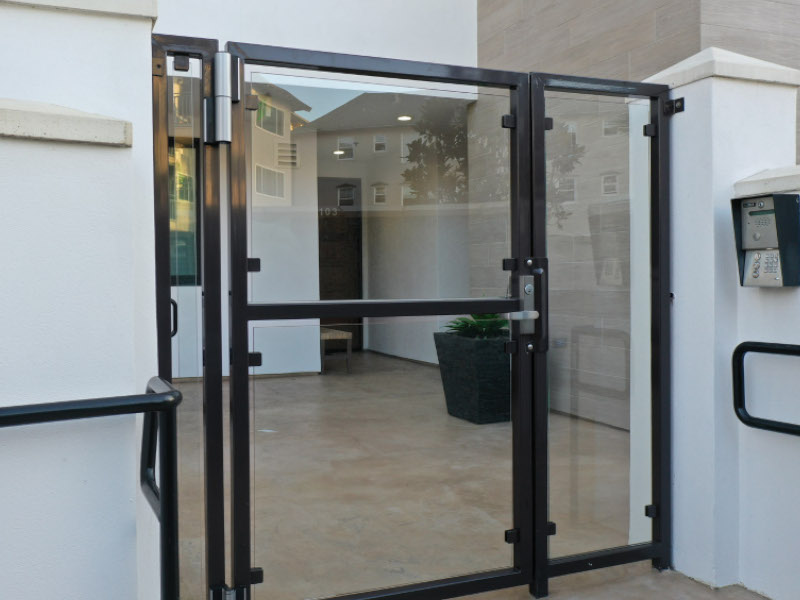
Attractive Entry Gates The most attractive entry gate options offer a modern aesthetic without sacrificing security. Modern gate designs feature geometric shapes, sleek lines and muted finishes. Stylistically modern gates range from upscale farmhouse gates to contemporary minimalist entry gate options. Whether you are looking to build a large entry gate or a simple wooden courtyard entry gate here are some installation ideas and an overview on today’s evolving number of gate styles: -What’s the best way to mount a new gate? What if I have existing posts, walls, or columns?- An existing and/or older home may have pre-existing structural supports and an existing access gate option which is no longer desirable. Old fencing or walls may need to be removed or updated with more modern veneer, stucco, or finish options that combine with a new modern gate design. Entryway remodeling utilizing a driveway gate is an easy way to transform an existing entrance and remove years from the curb appeal of an older home. Access and courtyard gates are often a design element making the first impression when guests arrive. Older bricks or pavers can be removed and replaced in order to set newer and sleeker steel support posts for a new gate. Wooden or rod iron gates with modern elements can add interest and update existing block and stucco walls. Stucco can be painted a new color and new jambs can be plumbed and set to true an old opening. Gate Materials and Design Styles An endless number of style options exist for new gates . Combining materials and styles is also a popular way to update and add an entry gate. Contemporary and/or Modern Gates- Steel or Aluminum frames, ss cable, glass, stainless rods. Minimal and sophisticated. Rustic Gates- Wood and iron with detailing. More natural finishes. Often arched and warm/welcoming. Modern Farmhouse Gates- Combine elements and materials. Simple and sturdy, slats, hybrid steel/wood, barn door styles. Transparency or Privacy? Solid gate designs are more often utilized for private courtyards and patio settings. Cable, rod, or glass panels can be added to solid gate designs for a peek of light and visibility. Entry gates can be transparent or hybrid as well by utilizing a 2/3 body 1/3 window gate design for visibility and security. Full transparency can be achieved by full cable or glass gates, rods, pipes or even slats when spaced appropriately. Professional Gate Installation Automated gates require precise installation to function properly. In addition, entry gates can be heavy and risk damage during installation. Hiring a professional gate installer can be a worthwhile investment and offer a resource for future maintenance possibilities that may arise. Our company offers both sales and preferred installation of all of our gate sales in California. We have reputable pro’s available in Southern and Northern CA. Our pro’s are versed in removal/replacement gate installation, automated entry, and even creating custom hardware solutions needed for custom gate designs. Modern gates often require modern building solutions and professionals that specialize in these type of installations. Why Choose S.D.C.R. Gates? We use only the highest quality materials and finishes in our modern gate designs. We offer fast turn around times for pricing, American made products that last. Our preferred installers are some of the best in the business. For out of state customers we offer nationwide shipping of our products including gates to all 50 states. If you are interested in an attractive and durable gate with a modern aesthetic; give us a call or visit the quote request page. QUOTE REQUEST Cable Railing News Modern Gate Designs MavenFebruary 4, 2025 Rustic Modern Railings Rustic Modern Railings MavenJanuary 14, 2025 cable deck railings 2025 Deck Railing Choices MavenDecember 17, 2024 ADU Railings Best Rated Deck Railings MavenDecember 17, 2024 Deck Safety Deck Safety Checklist MavenNovember 25, 2024 Browse More Posts
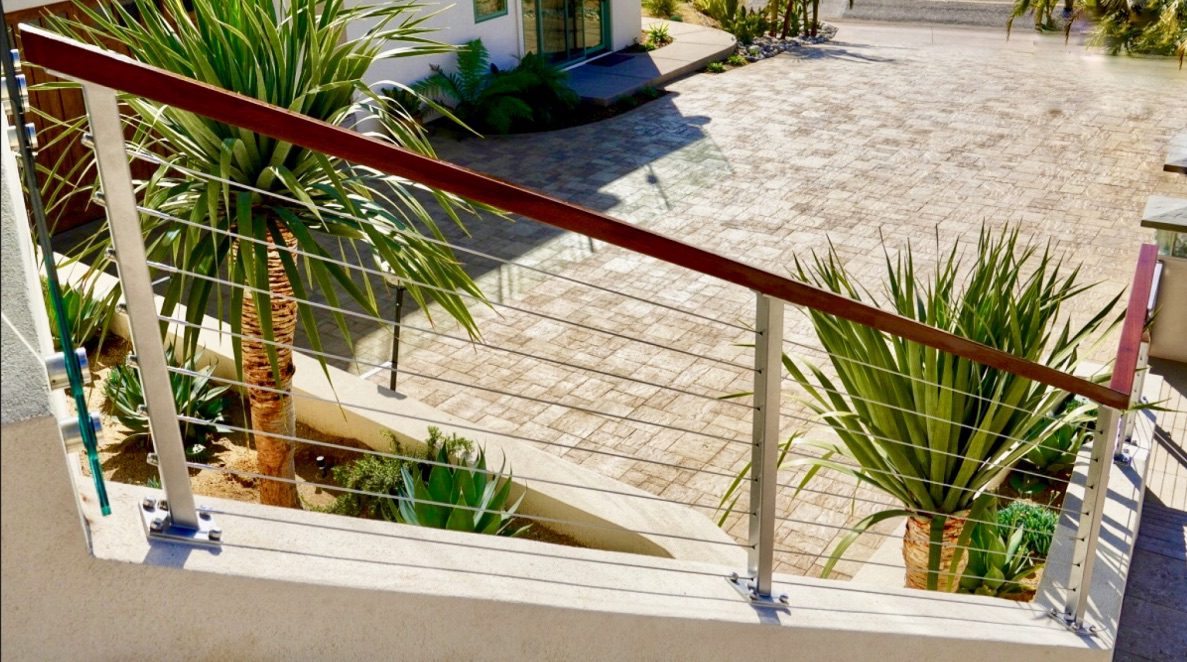
2024 Stair Railing Trends Staircases are often the first element seen upon entering the home yet often overlooked during remodeling scenarios. Great stair railing concepts are what separates a common entry staircase and something more eye catching that will inspire interest for the rest of a design. Modern stairways incorporate important elements into modern design. Building media like glass or polished metal as an element of design can compliment a dark wooden floor or a unique slab table and chandelier. There has never been a better time to build an amazing staircase as modern options abound. Additionally, stair remodeling is relatively low impact and turn around times are faster than bathrooms, kitchens etc. CODE STAIR RAILING HEIGHT IN CALIFORNIA Code considerations will always weigh into a stairway design or remodel. Nobody wants to build a beautiful stairway with elaborate railings to find that the local code isn’t satisfied or the homeowner’s insurance company will not sign off on it. Code stair railing height in most locations is 36″ for a barrier railing section. Additional graspable stair railing sections may be needed and should fall between 34″and 38″. For more info on graspable railings please click HERE. The Most Attractive Stair Railings With code considerations for stair railings out of the way; how do we make them cool? Easy – first off incorporate some of your own style or home style into the railing style. Add modern elements like “floating stairs” , lighting, contrast between colors and textures. Modern iterations of classic designs work well. It’s amazing what a stainless cable railing will do to an old stair set. Tie in some dark wood top rail with hardwood flooring. If budget is a concern as it often is; think about refinish possibilities or repurposing and refinishing existing elements if possible. Cheap vs. Expensive Stairways Custom fabricated railing systems, curves, advanced joinery methods, hand carving, etc. are all terms that will likely relate to a higher cost improvement. Glass railings inside the house are much pricier than picket, rod, or cable options. Floating stairs or mono stringers, spirals, and structurally challenging layouts will drive costs. Open designs like cable are great for narrow stairs. If privacy is desired or stairs open to a living space consider etched glass for a feeling of privacy without losing the aesthetic. What About Exterior Stairs!? Many of the same ideas and code requirements apply to exterior stairways. If you have an awesome deck and amazing views you can draw attention to it and attract use with aesthetics. Light up your stairs with tread lighting or post lighting. Lighted stairways are safer and really cool to look at. –Maximize your space – Open air and light penetrating designs are where it’s at unless you absolutely need privacy or wind breaks. Enlarge the perceived space with light friendly stair railings like cable railings and transparent glass panels. DIY the Stairway or Hire a Pro? Stairways can be tricky but we have products and techniques to make your DIY stair railing project easier. Pre made components, tool less fittings, and pre finished materials make your stair railings from SDCR easier. For Jobs that call for something more; we have specialized preferred contractors that can adapt to any building scenario. Give us a call or visit the QUOTE REQUEST form for a free stair railing estimate today. CLICK HERE TO REQUEST A QUOTE FROM OUR SALES TEAM! Cable Railing News Stair Railing Ideas MavenSeptember 6, 2024 Safe Deck Railings Pony Wall Railing Renovations MavenAugust 20, 2024 kids and cable railings, Safe Deck Railings Safer Deck Railings MavenJuly 31, 2024 deck railing costs Deck Railing Costs MavenJuly 16, 2024 glass railing posts All Purpose Railing Posts MavenJune 30, 2024 Browse More Posts

Code Compliant Clear Spacing Building codes nationwide hold to a 4″ maximum clear spacing requirement when it comes to constructing new or retrofitting older barrier railings. More simply stated; this means that no gap anywhere on the railing should exceed 4″. Older homes, condos, and apartment buildings with outdated railings may need to be upgraded due to this requirement. Being grandfathered in at an older code spacing requirement may not prevent liability due to possible falls or injury caused by outdated spacing requirements. Newer codes and standards for child safety railings require tighter spacing than standards from decades ago. What’s the reason for newer and tighter spacing requirements? The 4″ max spacing requirement used for current codes was actually designed to prevent small children from being able to force their head or body into and through the gap anywhere on the railing framework. It’s been this way for some time now and it really boils down to child safety requirements. In this article we will share some information necessary to upgrade your railing systems and make them safer for children, pets, and people. Code Railing Height by State Railing height considerations can vary by state and it is recommended that anyone considering new railing construction or retrofit check with local building codes prior to installation. In California, a minimum railing height of 42″ is required. Some states still hold to a 36″ railing height requirement. How do I figure out my railing height? Railing height should be measured from the top of the deck surface to the top of the railing cap member. A good rule of thumb is to measure from multiple locations to ensure uniformity across the surface. Decks and patios can vary, especially when dealing with slopes so it’s best to check height in multiple locations. Railing Gaps, Vertical and Horizontal Member Spacing Checking for gaps along the railing framework is a good way to make sure your railings meet current codes. Child safety railings should not contain any gaps larger than 4″ and there are common locations where this may occur: –Vertical Members – check spacing between pickets, balusters, and or vertical pipes, cables for compliance –Horizontal members– bottom rails spaced from deck surface, horizontal pipe or cable spacing. Cable spacing should not exceed 3″ in order to prevent more than 4″ when spread. Solid horizontal members like pipe and/or wooden railing members that do not move can be spaced at 4″ clear –Panels– glass panels or solid wood, steel or other panels should not contain gaps larger than 4″ in between panels Hiring a Professional for Safer Railings Many people choose to hire a deck builder or railing professional to guarantee safety and code compliance. Hiring a licensed contractor that is familiar with local and current code requirements is a good option for higher risk applications like raised decks, balconies, etc. DIY products and solutions are very popular and effective but there are also applications that are better suited for hiring a professional installer. High rise multi unit complexes, HOA’s, and municipalities are often required to use professional contractors for construction projects. Additionally, insurance claims often require the use of a professional. From a railing application standpoint; stairs, angled applications, large scale projects, commercial, and industrial projects are best handled by licensed professionals. Our team at S.D.C.R. has been fabricating and installing child safe, code compliant railings for nearly 2 decades now. If you are interested in learning more please give us a call or visit the quote request page to receive an estimate. ADA Compliant Railings, Architecture test post MSimontonApril 2, 2024 Cable Railing News, kids and cable railings Child Safety Railings MavenMarch 28, 2024 cable railing code, Cable Railing News Height Standards for Deck Railings MavenMarch 5, 2024 Stainless Steel Cable Railings Choosing the Right Stainless Steel Cable Railing for Your Deck Cole RouseJanuary 24, 2024 Stainless Steel Cable Railings Why Stainless Steel Railings Are a Safe and Sleek Design Option Cole RouseJanuary 24, 2024 Browse More Posts
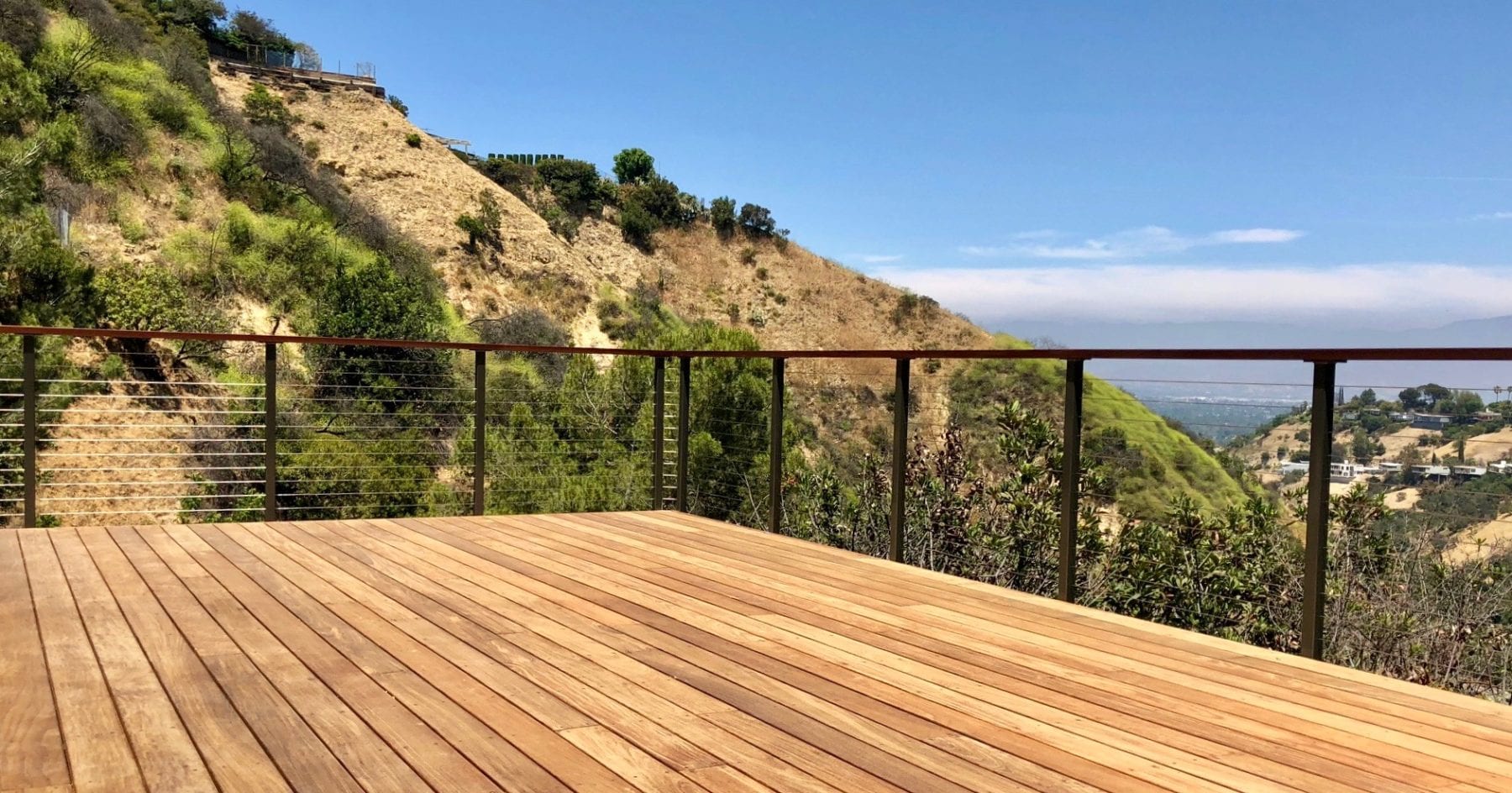
Standards and Code Considerations for Railings on Raised Decks Whether you are building a wooden deck, concrete patio, staircase, or an interior loft; your project will involve the construction of barrier railings. A barrier railing is designed to keep persons and pets safe by providing a “barrier” to prevent falls from a raised surface. Building standards and codes for railings have evolved over the years, mostly becoming more stringent for safer railings. Included in this post are some of the most common considerations for constructing a railing system on a raised deck or patio: Railing Height Code Requirements The majority of states in the U.S. require a minimum barrier railing height of 36″ from the top of the substrate (deck surface) to the top of the railing cap. Commercial projects often require a railing height of 42″ for an added factor of safety. Railings in California whether residential or commercial require a finished railing height of 42″. Stair railings require a minimum barrier height of 36″ and also the additional safety factor of a graspable railing or “grab rail” between 34″- 38″. A top railing can double as a grab railing in certain scenarios; the main consideration here is that the top railing is graspable. A graspable railing must be small enough for even a small hand to wrap the entirety of the member; often this means no larger diameter than 1.5″-2″ and not more than a 6″ perimeter measurement for the rail. Deck and Stair Height Standards for Railing Construction There are standard platform heights for when railings are required to be constructed on raised structures. The most common call out is a 30″ above grade height requirement. A common industry misperception we encounter is that a low level structure does not require a railing; or that a non code compliant railing can be constructed under a certain deck height. Code compliant deck railings are required to be constructed on any surface higher than 30″ from natural grade, including stairs. This is typically referring to natural or native grade; meaning bringing in fill to raise the grade may not satisfy the requirement. Stairs containing more than 3 risers (in some cases any stair set) are required to have railings. Additionally, when constructing railings on any raised surface (even under 30″) or retrofitting existing railings; the new railings are required to be constructed to current codes and building standards. In all cases, we recommend checking your local municipalities. Additionally, we recommend that homeowners understand that building inspectors have ultimate discretion on site if they believe something is substandard or unsafe. Standards and codes are often up to the interpretation of municipalities and their representatives or inspectors. Regulation Height for Porch Railings Construction of porch railings falls under the same regulations and standards that apply to deck railings and stairways. Although porches are often only a few steps high, they are highly trafficked and serve as raised entryways to residential homes. A porch that is at least 30″ above grade will require the same barrier railing standard as a raised deck of this height. Porch stairs should have barrier railings and also graspable railings to accommodate high traffic and often the use of young and elderly people who may pose a higher fall risk. Modern railing systems like cable railings and glass railings are an excellent choice for safety, durability, and a beautiful aesthetic. San Diego Cable Railings offers pre-made railing packages that satisfy height standards for deck railings at 36″ or 42″ requirements. Our railing posts are engineered for safety and longevity with welded connections, durable stainless steel, and heavy duty coatings. Visit the quote request page or give us a call to learn more and build a code compliant railing system for your home today. Quote Request
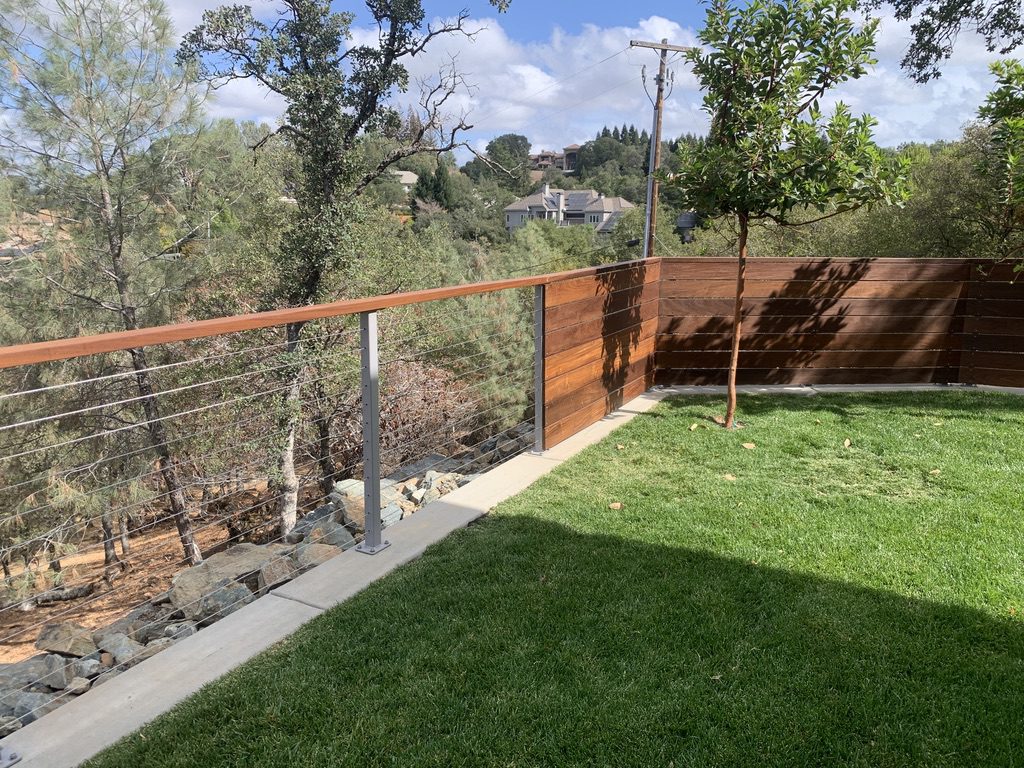
A railing system that mixes and matches components or different building media is referred to as a hybrid railing system. This can be as simple as a steel post cable railing system that utilizes a wooden or composite cap. Another example of hybrid railing would be including multiple types of infill on a single installation. For customers exploring hybrid railing options or wondering about the benefits of installing a “mix and match” type system; here are some examples of how this can benefit your project: Hybrid Material Selection for Cost Effective Deck Railings One of the easiest ways to save money on any remodeling project is by selecting cost effective materials or value engineering the project. Cable railings are some of the easiest systems to modify and hybridize because they are so versatile. By simply selecting a wooden frame to support stainless cable infill, you can create a hybrid design that will cost less than an all steel system. Another example would include the use of a wooden or composite top rail combined with steel posts and cable infill. Similar configurations would also work with glass or pipe infill and utilize cost effective framing to lower the burden on more expensive materials like glass and stainless steel. Selecting wooden graspable rails (grab rails) to combine with steel brackets would provide cost savings in comparison to an all steel graspable railing. Glass Panels and Cable Combination Railing There are several reasons to examine the use and/or combination of glass and cable on a single installation. Cost could be one factor, but the repeated example we encounter is when there is a need for windbreak on a section of deck but not on the entire deck. Glass panels are transparent and beautiful to the eye; they also make an excellent wind break. A customer in the market for the aesthetics of stainless cable that also wants wind protection can choose a hybrid cable/glass system to achieve both goals. The hybrid railing in this case will serve multiple uses, likely cost less than all glass, and be interesting to look at. Both systems provide transparency and beauty, while the cable portion will require less frequent cleaning and cut down cost. Hybrid Railings for Aesthetic Purposes Roughly 50% of our railing kits and installations are now performed on the interior of our customers residences. Homes of all different ages and styles make perfect candidates for hybrid styling. One example could be a home with an existing oak hardwood floor and a customer that is looking to remodel their staircase. By simply fabricating a wooden top rail made from similar oak; a hybrid railing will tie in the old with the new. In this example a solid steel or stainless system may not work with the design and the older flooring but the hybrid railing does a great job marrying the two. The glass with cable combo can also work on the interior sections of homes where a loft will require glass but the staircase will be done in cable. Hybrid combos work great with older homes that do not require ultra modern or contemporary finishes. Design combinations and possibilities are endless with multi purpose railing posts and mix/match infill options like stainless cable and glass. Our company has designed and supplied hybrid railing combos for customers nationwide. If you are interested in obtaining a quote for hybrid railing visit the quote request page today.
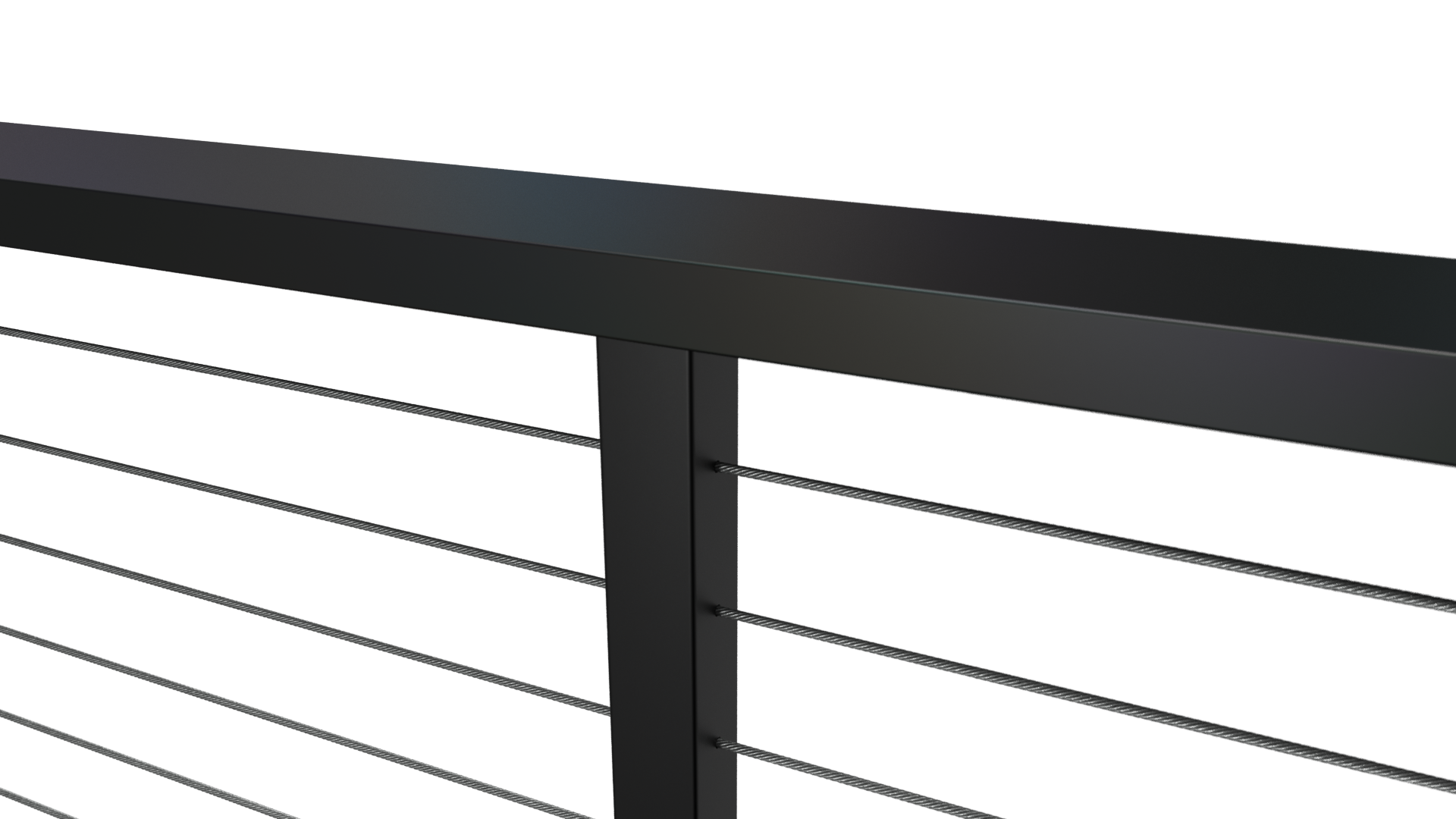
There are several types of interior and exterior railings and railing post types available in today’s marketplace. Reviewing the different mounting types, recommended spacing, materials, colors and applications can be daunting at times. In this post we aim to clarify some of these details and offer some common terminology regarding the most popular railing post types. Most of the reference material is geared towards stainless steel cable and glass railing systems as those make up the majority of our sales and installations. Structural Railing Posts Depending on the type of railing system there may be a single type or many type of posts used to support the infill and top rail. Structural posts refer to those designed to sustain lateral and possibly tension loads within a railing system. An “end post” or a “corner post” within a cable railing system refer to structural railing posts. In comparison, a “spreader post” would not be considered a structural railing post as its purpose is not primarily structural and mainly aesthetic. A common spacing recommendation for structural railing posts is between 4 and 6 feet on center spacing. Cable railings require tighter spacing for structural posts than picket railings due to tension loads and spread. The most common recommendation for cable railing systems is 4′ on center, while glass panels might be 5′ on center, and various picket or rod infill systems can push to the 6′ on center spacing. These are generic guidelines as systems and municipalities vary. Installers should follow recommendations and current codes. Glass Boot and/or Base Shoe Support Systems Although not technically a railing post, base shoes are becoming more and more commonly used for glass railing systems. A “base shoe” or “boot” is secured to the deck surface and acts as a structural clamp and support for heavy duty tempered glass panels. Structurally, a boot system is one of the only secure ways to support glass panels without the use of railing posts. Base shoes are engineered for structural use and support, requiring grout or a special locking system to secure the panels and support system. Recent updates have called out the use of laminated glass more and more often for “no top rail” glass systems. A base shoe mount is a proven way to safely achieve this type of install. Railing posts of different types and sizes can also be used in lieu of base shoe for installing glass panels. Typically glass clips (small clamping mechanism) are attached to structural railing posts in order to secure glass panels for this type of installation. Additionally, there are full framed glass systems which utilize channel and/or full framed glass railing with top and bottom railings and structural posts every 4-5′. Intermediate Posts, Spreader Posts, and Slim Line Railing Posts Intermediate posts like the one photographed above are also called “spreaders” or “line” posts. This type of railing post is often utilized to increase a viewing window without the larger profile of a structural post. As photographed the structural posts are 2″ square while the spreader post is a mere 3/8″ wide profile. The intermediate (spreader) post provides some rigidity and prevents the stainless steel cables from spreading, without the need for the heavy wall or width of a 2″-4″ post. When dealing with cable railings, glass, and other low visibility systems; spread is key to opening the view. When utilizing spreader posts between structural posts, installers can achieve clear windows of 6-7 feet without fear of code compliance or stability issues. Additional Notes on Railing Posts and Terminology Consumers should note that railings and fencing are very different when it comes to spans and spacing. There are many photographs found online that illustrate posts, pegs, clips, and all different kinds of spacing that may or may not satisfy code requirements for a safety railing. Just because photos exist, does not mean it will satisfy an inspection. Windbreaks and fencing may not require the same safety measures as a second story deck. Railings with and without top railing members will often have different rules and code requirements. Our company (San Diego Cable Railings) has been furnishing railing kits to homeowners and builders nationwide since 2009. We furnish a variety of railing posts for cable, glass, rod, and horizontal panel systems. Our welded connections and high grade stainless posts have been engineered to satisfy loading requirements, and even our spreader posts provide unmatched strength and elegance for your home. If you have questions about any of our railing post types or would like to obtain pricing for a railing system, give us a call or visit the quote request form today.