
Modern Interior Railing Trends for Luxury Homes
March 3, 2026


When thinking through any design/build project, we often highlight safety concerns and prevention. Fall hazards rank high on the list of residential construction codes; and tiny houses often feature lofted spaces. Maximizing these small spaces often requires storage and useable area high off the ground with a barrier. In this article we will discuss railing systems that fit the bill for tiny home usage and offer DIY friendly construction. PHOTOS : A 400 square foot custom tiny home utilizes steel posts and stainless steel cables paired with reclaimed hardwood top railings to protect the fall hazard created by a small loft area and stairs. This modular system was installed by the home owners in about a day and a half. DIY Railing Systems for Tiny Houses Wooden Bannisters Wooden spindles are a timeless choice for ease of material acquisition and low cost possibilities. A great option for reclaimed wood and green building practices. Wooden bannisters can be configured in any number of ways. However to get the “cool” aesthetic offered by more modern railings you’ll need something crafty or ultra custom. Using wood is fast and inexpensive, versatile and DIY friendly. Horizontal or vertical systems are easy to construct with standard lumber. Pipe Railings Pipe railings are very cool for industrial designs which can tie in with industrial pipe shelving and fixtures. Pipe is easy to come by, durable and versatile. Pipes are made of PVC plastic or steel, readily available and fairly cost effective. They can be painted and easily machined for hybrid wooden/pipe railing systems and mounted vertically or horizontally for a solid railing option. Modern Choices for Tiny Home Railings Cable Railings Cable railings do a lot for a tiny home loft. Quite simply they are minimal. Minimal hardware, with minimal bulk, resulting in a spacious feel for any small area. Transparency and light penetration are maximized by using cable railings. Durability and beautiful lines mean you’re covered in almost any scenario. Options abound for DIY cable railing products and ease of installation for DIY installers. Not the least expensive option, but far from the most expensive. Glass Panels Glass is an amazing building material that can be utilized for many railing applications. Glass panels can be easily sandwiched in between wooden members for a quick railing framework, or paired with posts and glass supporting clips. Much like cable railings, glass will make the space appear larger without blocking light. Tempered glass panels should always be used for barrier applications. Although it is a green choice, the use of old windows or plate glass is not recommended for railings. Glass can be DIY installed and will likely factor higher than the other options for cost. Want to learn more about railing options for your tiny house? Give us a call at 844-277-7327 or visit the quote request form today.
Value engineering is an organized approach to providing necessary functions in a project at the lowest cost. Building features, structural considerations, and material selections are weighed and compared to achieve quality design and required performance. The desired life span of an improvement may allow for flexibility in a design, as well as environmental factors like salt exposure, UV, and weather. As consumers we always look for ways to cut costs and maximize the value of our investments. Here are some simple ways you can build an effective railing system with value engineering in mind. MAXIMIZE POST SPANS When constructing railings and fencing the upright posts are a driving cost factor. We want to use exactly the amount of support posts in order to satisfy code without adding any extra material. Precise layout and an understanding of post spans will allow you to make these determinations. For example – a simple fence to create a boundary or maintain pets that does NOT have a fall hazard will allow for larger post spans than a second story balcony. Ask your builder, consult span tables, and talk to your vendors about posts spans for the most effective layout. Consider using stock dimensions for all structures and improvements. COST EFFECTIVE FINISH OPTIONS The difference in cost between paint grade and a stain grade finishes is substantial. In addition, the use of a powder coated steel product vs. a bare finished stainless steel product can cut the cost considerably. Consumers can calue engineer their railings by utilizing stock finishes whenever it is possible to incorporate them into a design. The amount of labor involved in a stain grade clear coated wood finish vs. a paint grade finish is roughly 3 times! Consumers should consider using stock powder coat colors like black, white, grey, or metallic vs. special order colors and coatings. USE STANDARD LENGTHS TO MINIMIZE WASTE Whenever a design allows for the use of standard lengths, it will result in lower cost. Let’s take a simple example like constructing a section of top rail. Building a railing section that is 8’6″ will actually require the purchase of a 10′ section of top rail. In some situations this would also require an additional railing post in order to satisfy code and span requirements. The consumer is better off with establishing an 8′ railing or a 10′ railing during the design process. When designing your railing system, always try to work with standard dimensions (8′, 10′, 12′, 16′, 20′) . This applies to deck and fence construction, framing, plywood etc. CONSIDER MODULAR RAILINGS VS. CUSTOM FABRICATION Almost any application that calls for “custom” parts or construction will be more expensive than a “stock” purchase. We can design a deck or even a stairway to function with stock parts by calculating angles and footprint dimensions prior to construction. Constructing stairs to a standard angle or utilizing standard dimensions with a deck takeoff will allow for the use of stock materials. Modular railing kits offer consumers cost savings and professional results by using pre-made components. Modular railing and fencing sections eliminate waste and lower labor costs. San Diego Cable Railings has been value engineering our products and services in the railing industry for over a decade. Our company fabricates modular cable railing and glass railing systems for interior and exterior projects. We offer fast turn around times for quotes and fabrication, nationwide shipping, and preferred installers. If you are in the market for a railing system, contact our pro’s at 844-277-7327. Customers can also get pricing and additional information by using the QUOTE REQUEST form.
Historically speaking, cable railings were initially utilized on boats and docks as guardrails. Wire rope and “rigging” hardware was also commonly found in aviation applications. On a larger scale “barrier rail” systems and post tensioning practices were being pioneered as early as the 1970s and 80s. Because of the versatility and durability of steel cables, the transition to residential cable railing systems was quite natural. Waterfront applications and modern designs were followed by mainstream acceptance. It hasn’t taken long for cable railings to become the most popular railing trend in the remodeling space. The Most Popular Railing Trend for Over a Decade Our company history with cable railings dates back to the early 2000s, when “cable railing systems” were few and far between. They weren’t called out by many designers, and most municipalities had no standards for cable railings. Politically driven information about climbing hazards and something called the “ladder effect” slowed the progress of cable railing systems. However little to no information was available. Field data, expert opinions, structural testing and architectural data were hard to find in the early adoption of cable railing systems. In 2003, much of our business was building decks, and 90 percent of these decks required railings. Picket railings were pretty standard, in fact most building standards even use diagrams containing picket railings. However, the first time we installed a stainless cable railing was the last time we ever installed a picket. As a coastal deck building company, it did not make sense for us any longer. Cable railing was more attractive, stronger, invisible and most of our customers feedback was along the lines of.. “it’s really cool”. Our crew was able to construct cable railings as fast or faster than standard pickets with superior results. Our growing customer base agreed and the demand for cable railings has since exploded. The Differences Between Wire Rope and Cable Railing There are drastic differences in wire rope assemblies, rigging hardware and cable railing. Barrier cable applications like those used in parking structures differ greatly in scale and loading requirements. The concepts of these systems are similar; applying tension to wire railing infill . The largest difference for online shoppers to note is the difference between flexible and rigid cable. Additionally, the hardware and frequently used galvanized wire and fittings vs. stainless cable counterparts. Flexibility and rigidity varies in different cable braids and for cable railings we want to use rigid braid. Rigid cable will stretch less than flexible braid, making it an ideal choice. For example; our most utilized cable strand is 1/8″ T316 stainless steel 1×19 braid. Much of the galvanized wire sold online is 7×7 braid which is much more flexible. 1×19 stainless steel braided cable is considered architectural cable and suitable for architectural use. The thin strands of 1×19 are capable of pull tests exceeding 1800 lbs. per cable. Based on our company history of almost 2 decades of cable railing fabrication and installation practices; the following bullets offer a summarized list of some other important points and further understanding of cable railings and history: 1/8″ diameter stainless steel cable is the most popular for residential installation buying cable and hardware (posts also) from the same manufacturer is highly recommended (made in the USA) cable railings utilize a 3″ clear space between cables to achieve the 4″ spacing standard for guardrails wooden framed railings will almost always cost less than steel or aluminum framed railings cable railings are nearly transparent demand for cable railings inside the home has grown tremendously and they are being used for interior stairways on a large scale cable railing is a good choice for DIY systems providing professional results cable railings are code compliant when installed to meet building standards San Diego Cable Railings is a company dedicated to the production and distribution of cable railing systems to contractors and homeowners nationwide. If you have questions about cable railings or interest in a quote for our products please visit the quote request page.
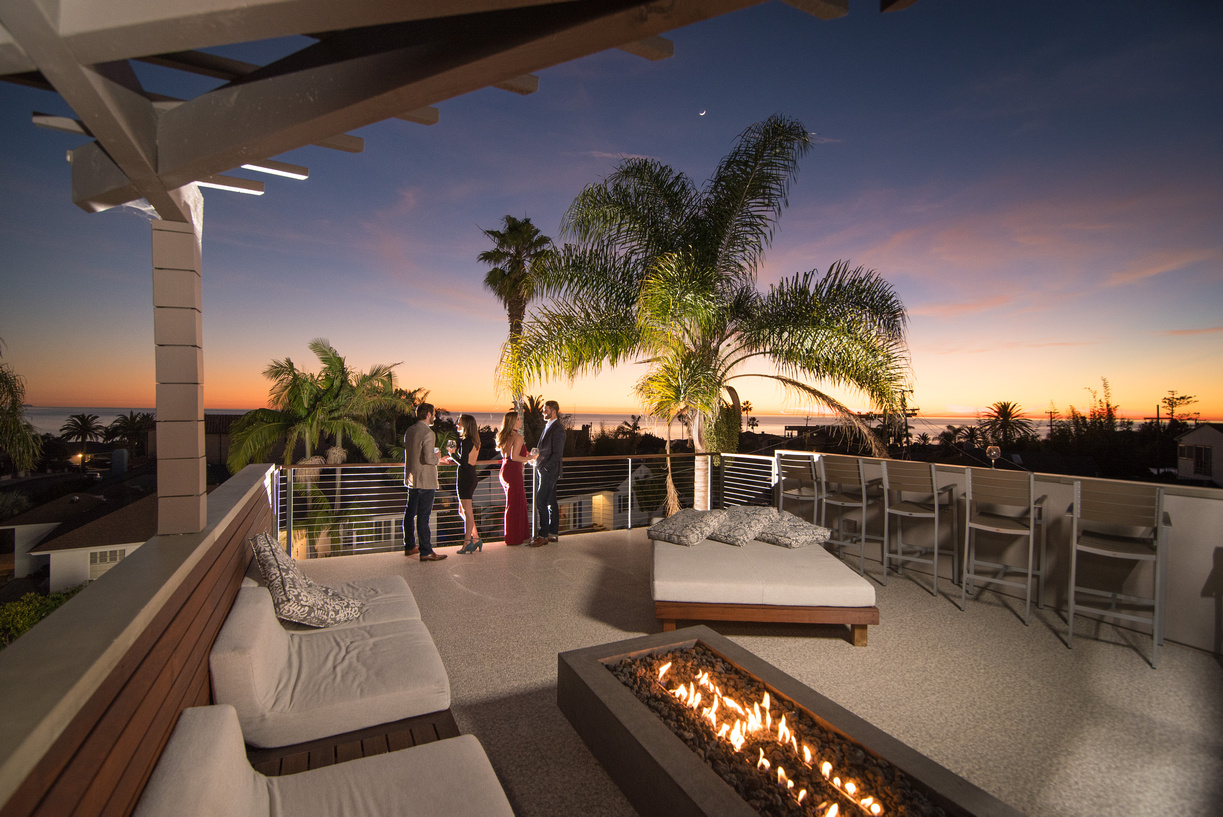
In sunny climates our outdoor living spaces are as valuable as those inside. Whether you are throwing a bbq, entertaining, or just relaxing, outdoor areas completely expand the home. Home improvements related to outdoor living can provide homeowners with a great return on investment and plenty of kudos from friends and family. Here are a few ways to make the most of your outdoor living situation at home: Install Attractive Landscaping- Even the addition of a few potted plants can positively transform an outdoor living area. Plants can add a touch of softness to modern designs and raw spaces like concrete patios. Using borders to accent pathways while adding a touch of green will compliment new decks and hardscaping. Planting a few trees can provide shade and even cool the space during daytime use. Flowering shrubs , vines, and native plants will add color and depth to your design and make the hardscape look complete. Build an Outdoor Kitchen- A covered patio is a perfect location for an “outdoor room” like a kitchen. Homeowners have tons of choices when it comes to high quality materials and finishes like stone counters, stainless steel appliances, and basically anything available inside the home kitchen. Finish off an awesome deck with a built in bbq, lighting, and an outdoor fridge. Add a jacuzzi or softub and a staycation awaits at any time. In sunny states like California, and Florida, outdoor kitchens are useful 12 months a year. Purchase or Construct Planter Boxes- Outdoor planter boxes are attractive and offer huge value with the ability to grow healthy vegetables right in your backyard. Planter boxes can be constructed from wood, composites, corrugated steel, or hybrid combinations of the above mentioned. Container gardens made from wine barrels can house fruit trees on smaller patios without taking up too much valuable space. Adding a trellis to your planter can allow for more versatility by growing vertically in small spaces. Consider New Deck Railings or Fencing Fences and railings provide an awesome opportunity to add architectural flare and safety to an outdoor living space. Modern railing systems like stainless steel cable railings and glass panels are attention grabbing and low maintenance improvements. Cable fencing can be used for perimeter barriers that need to be transparent; while glass panels can provide wind breaks for outdoor dining and nighttime entertaining. Use Low Maintenance Composite Decking Products- Low upkeep improvements are the best kind! Composite decking is definitely low maintenance. If you don’t want to refinish your deck and a 25 year product warrantee catches your interest, then installing a Trex or Azek deck may be the best option. Composite decks feel good under bare feet and require little more that an occasional hose down. When combined with a low maintenance cable railing system these decks are a turnkey solution for 30 plus years of outdoor living enjoyment. If you would like to learn more about transforming your outdoor living space our pro’s can help. We have an entire product line of railings and fencing, preferred installers and nationwide shipping. Give us a call at 844-277-7327 or visit the quote request page for pricing and quotes!
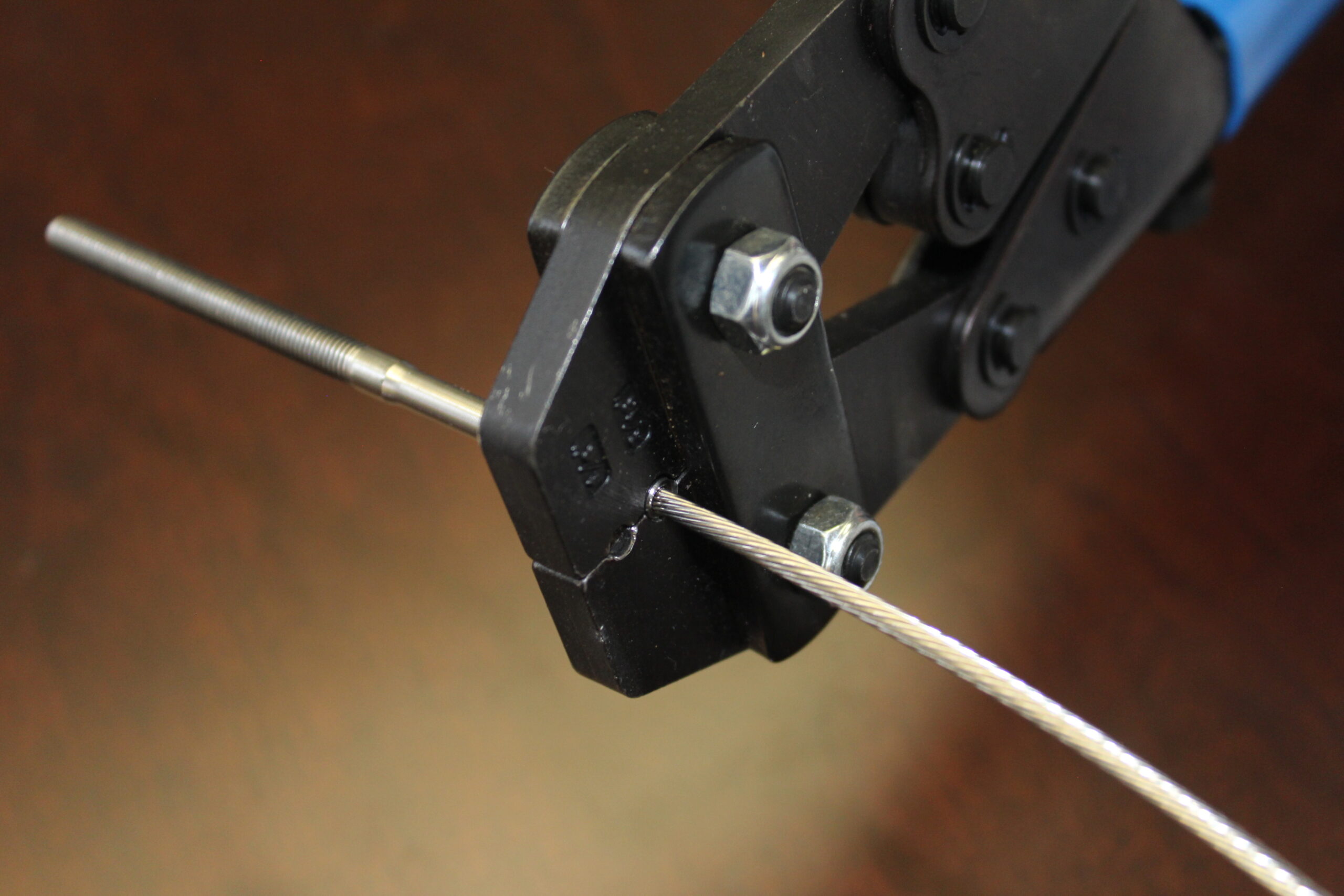
In this months post we discuss common questions about DIY railing systems. Structural considerations and code concerns as well as product lines and standard spacing requirements are all addressed in the Q and A post below: Is it legal and code compliant for me to do a DIY railing? As long as a code compliant railing system can be constructed, it is perfectly legal to construct your own railings. We have a variety of wooden, steel and glass product choices for DIY installation. What tools do I need in order to install a deck railing? Minimal tooling is required to install your own deck railings. Most commonly a drill/driver, wrench set and basic hand tools, a saw and a hammer are all that’s needed to install a deck railing. Are deck railings built the same as second story balcony railings? Yes. A code compliant railing system should satisfy either scenario. A combination of the right post spacing, top railing, and infill will successfully pass a building inspection. What is the proper spacing for my railing posts? The safest short answer is not to exceed a 4′ spacing in between railing posts. Regardless of the infill choice (cable, glass, pickets, rods) this spacing should simplify your layout and satisfy building code. How many bolts do I need to use for attaching each post? A minimum of 2 bolts per post, with a minimum of 3″ of structural penetration is needed for a proper connection. This is a general rule; some aluminum systems require 3 bolts. Proven railing systems will be engineered with proper bolt sizing and counts. Can I mount railing posts to pavers or paver stones? It is not recommended to mount posts directly to paver stones which are often set in sand. The safest way to approach this is by removing the paver, setting the post in concrete, and replacing the paver stones upon completion. Are there any glass panel DIY Railing Systems available? San Diego Cable Railings furnishes modular glass railing systems that are DIY friendly. Many of the components are the same as cable railing systems. Level deck railings are a good candidate for DIY glass railing install. Stairs and angled fences may require professional installation. Can I incorporate a gate into my railing system? Yes. Gates can be used to create access points within the railing and still observe code spacing requirements. DIY mounting hardware and cable hardware is available for our gates. What is the lead time for a DIY railing system? Standard lead times for railing packages average 3-4 weeks. Stock items like a la carte railing posts or cable assemblies can be ready in as little as 1-2 weeks. Contact us at 844-277-7327 or visit our quote request page for exact lead times on specific products. Ask one of our sales associates about expedited shipping.
Railings and Fencing for Outdoor Spaces One garden feature that is easy to overlook is the beauty and continuity that borders can create in a landscape. The fact is that multi level designs with different elevations and borders create more interest. In addition, garden railings and borders can help to create a flow around the landscape while filtering guests and foot traffic where it is most desired. By utilizing the right material selections, designers can create depth and texture in the garden without visual barriers confining the space. Here are some great applications for railings in your garden or landscape setting: stone stairways patios and outdoor kitchens retaining walls vegetable gardens and orchards pools and ponds multi level hardscape designs Using Cable Railings for Hardscape Designs Outdoor settings are desirable for the openness and fresh air we breathe while in the garden. Solid fences and garden walls can sometimes interrupt this feeling; especially in smaller spaces. Cable railings can be a beautiful way to avoid this mistake in a hardscape setting. The transparency provided by using stainless cables as a garden railing affords uninterrupted views and an open feel; while still providing a barrier. Our company has provided cable fencing and railings for use preventing animals from entering fragile garden spaces. We’ve supplied cable assemblies for 6′ tall deer fences, and cable gates to keep pets and children in; while keeping critters out. The San Diego Zoo is an awesome example of a large scale commercial landscape setting that utilizes stainless cables to filter traffic flow. Additionally, to protect their guests without interrupting the views of the exhibits. Combining natural materials with stainless cables in the garden is an attractive addition that will create value for your home. Customers interested in garden railings can call our sales office at 844-277-7327 or visit the quote request page for more information. Our company offers a line of DIY products, custom solutions, and preferred installation in most of CA.
The attachment of railing systems to masonry walls and patios requires different mounting methods than those used for wooden framing. Railing frames and the mounting hardware selected must take into consideration the type and thickness of substrate, as well as any veneer materials and their thicknesses. Stainless steel cable railings are an excellent choice for masonry applications due to the rigidity and versatility of these systems. Here are a few examples of common masonry surfaces encountered in residential and commercial railing applications: Pool Decks- reinforced concrete, often topped with stone overlays or natural stone veneers, tile, mosaic Masonry Walls- cinder block CMU, geo grid, keystone walls, poured concrete Patio Slabs- stamped and/or colored concrete, tile overlays, stone tiles, ceramic, natural stone Paver patios- often installed over concrete or sand bases Grouted vs. Mechanically Connected Railings for Concrete Slabs The best railings for concrete slabs will have a concrete cast footing, grouted, or direct mechanical connection to the slab itself. The photo below illustrates a solid CMU wall that was core drilled prior to post installation. The coring penetrated through the thickness of the decorative cap and deep into the CMU cells. The railing posts were then set with high strength grout. The contractor chose core drilling in this application however wedge anchors or epoxied rods would also have been a suitable choice. The main consideration for attachment is the length of the anchor and a proper amount of penetration into the actual concrete masonry units. Cable railings utilizing steel post systems are well suited for masonry applications because of their strength and durability. When installing via the use of a mechanical connection like a wedge anchor, welded mounting plates provide a high strength connection compared to a mechanical plate to post connection. The welded connection results in tremendous loading ability. Some projects require a direct infill connection to a masonry column or wall. San Diego Cable Railings T316 stainless steel cable assemblies are capable of securing directly to masonry walls, rock, brick, or block (see photo below). Cable railing systems are well suited for any type of masonry application and the finished results are extremely rigid frames with excellent cable tension. DIY cable assemblies are also available for masonry connections with no special tools required to install. Rigid and Durable Railing Connections Will Pass Inspections When it comes to strength and durability of railing materials, one would be hard pressed to find an example of a wooden or vinyl option that could compete with a steel and masonry combination. When connected to block walls or slabs, cable railing systems feel as solid as the wall itself. The result is minimal deflection during loading, amazing cable tension, and code compliance. On many different occasions , inspectors have told our preferred installers that the railings feel like a solid wall. We have achieved these results through a number of different mounting applications. San Diego Cable Railings has designed and furnished hundreds of railing systems for customers with concrete and masonry mounting applications. Our engineered product line and team of fabricators and preferred installers have decades of experience utilizing these products in real field conditions and inspections. If you are interested in a railing system for your home or business, give us a call at 844-277-7327 or visit the quote request form to request information and pricing.
Stainless steel types, grades and finishes; with so many choices which one is right for your project? In this post we aim offer our potential customers a beginners guide to stainless steel railings; including grades, finishes and infill types. With our selection of product solutions, preferred installers, and code compliant railing hardware you’re sure to find answers and products to fit your needs. Grades of Stainless Steel When dealing with interior and exterior building products like fences and railings, we are primarily discussing two grades of stainless steel. Railing posts and products we furnish are available in both T304 and T316 grades of stainless steel. Both choices offer excellent corrosion resistance; however T316 is considered to be a “marine grade” stainless steel product. For salt air conditions right on the coast T316 stainless is our grade recommendation. All of our stainless cable assemblies utilize T316 wire and hardware. Customers with homes at least 1-2 miles from the coast and further inland may benefit from the cost savings offered by T304 stainless steel products. T304 offers superior corrosion resistance to mild steel at a better price point than T316. For inland and non salt applications T304 products sustain excellent corrosion resistance for 30-50 years. Our company also offers galvanized options discussed in other posts. Infill Choices for Stainless Steel Railings Although modern choices in today’s railing market place are vast, we fabricate with two primary infill options. Many of our customers homes have expansive views, and they primarily request glass or stainless steel cable infill. Our stainless railing posts can accommodate both tempered glass panels and stainless steel cables. Glass panel systems utilize stainless steel clips to secure the panels mechanically to the railing posts. Cable infill options are available in both 1/8″ and 3/16″ diameter wire; with machine swaged and DIY hardware options. Other infill options for stainless steel railings can include vertical cable, stainless rods, horizontal bar railings and even wooden infill options. Horizontal wood infill can be combined with stainless railing posts for a modern twist on privacy railings or screens. Horizontal bars or pipes can also be used as railing infill. Mechanical and Coated Stainless Finishes Many of our bare stainless steel railing posts and rails feature mechanical finishes of different grits, sheens and textures. These include dusted, brushed and polished finishes. Each have respective strengths and desired aesthetics related to durability and sheens. Low sheen finishes are more forgiving when it comes to dirt or traffic. High sheen finishes will typically offer more resistance to contaminants but less resistance to dirt or fingerprints. Powder coating is a durable and cost effective way to add longevity and adaptability to stainless railing components. Much like paint, powder coating offers hundreds of color options with the bonus of a high temperature baked on coating that offers a barrier between the metal and any contaminants. Powder coated finishes can also mimic metallic finishes, while offering options for light to rough texture. Clear coats, waxes, cleaners and oils can also be used to protect and enhance the finishes on stainless steel railings. San Diego Cable Railings produces some of the longest lasting and attractive railing options in todays marketplace. Since 2009 our sales and production team has assisted customers in 50 states. Our preferred installers travel up and down the California coast providing quality craftsmanship and expert knowledge of our product line. Potential customers interested in stainless cable and glass railings can visit the quote request form or give us a call at 844-277-7327.
Cable railing gates add functionality to any cable railing or fencing system by allowing access through the barrier. In comparison to standard privacy gates which can be bulky and/or solid; cable alternatives do this without losing the sleek aesthetics. San Diego Cable Railings custom cable gates can be made to any size and will match all of our most popular railing frame systems to include: galvanized steel stainless steel T304 and T316 exterior soft wood types (Cedar, Redwood) exterior hardwoods (Ipe’) Gates and Child Safety Cable railing gates utilize the same stainless steel cable infill systems as our cable railings. SDCR recommended 3″ on center cable spacing combined with machine swaged stainless hardware creates ample tension and a rigid frame. Our gates come furnished with heavy duty stainless hinges and latches for durability and utility. Stunning to the eye and almost indestructible; these gates will keep your children and pets safe inside. One question we often get is ” can I buy a stand alone cable gate?” and the answer is yes. Existing wooden fence posts, exterior walls, and block columns are all excellent ways to mount your cable gate. Some of our customers use their gates to partition openings to stairways, while others create ramp access, service gates for landscape work, and child barriers. We have installed our custom gates in marine environments as well as high heat and cold exposure with great success. [envira-gallery id=”4277″] Are Cable Railing Gates Expensive? When compared to standard wooden or vinyl privacy gates, stainless steel cable gates carry a higher price point. Steel cable gates are fully welded and most often powder coated for increased durability. The strength of our gate does not depend on a mechanical connection; nor do they swell and shrink like vinyl products. The lifespan of a cable railing gate outside in the elements is 30-50 years; which means you’re not likely to ever need to purchase another gate due to wear and tear. There is little to no maintenance other than occasional cleaning or wipe down in extreme environments. Ordering a custom cable gate is easy and fast using our quote request form. Simply provide the size of your opening and a photograph of the area or mounting situation and our estimators will return pricing within 24-48 hours. Customers with questions about our gates can also call our office at 844-277-7327.
Tempered Laminated Glass vs. Monolithic Tempered Panels There are two types of glass that are commonly used as infill panels for glass railing installations – tempered laminated glass and monolithic tempered glass. Tempered laminated glass is composed of two pieces, and a vinyl interlayer. Laminated panels allow the glass to break on either side of the laminate and cause any broken pieces to stick together. For this reason laminated glass panels offer added protection against falling pieces. Monolithic tempered glass is a single sheet of glass that has been tempered in order to increase durability. Monolithic glass panels have been used for years in safety glass applications and are often recognized by a stamp on the panel. It is important to understand the evolving code requirements as they relate to different types of glass and which is right for your project. When to Use Laminated Glass Panels for Handrails? Laminated glass may be required for railing installations in all locations where the railing overhangs or overlooks a walkway. This applies to both residential and commercial structures. Monolithic (single panel non laminated) tempered glass is allowed only in locations where there is no walkway under the glass railing. Another instance where this may apply is a permanently protected walkway that eliminates the risk of falling glass. Glass Handrail Codes for “No Toprail” Applications IBC requirements state that glass railing systems are to be designed with a top rail in order to hold glass in place during a breaking event. Top rails on glass systems can increase protection and lateral stability however very few customers desire a top rail on these systems. Exception to laminated glass- The exception to the top rail requirement for is when a glass system utilizes laminated glass panels that are designed to withstand loads outlined by the IBC. The new code states that ALL glass railings constructed without a top rail must include laminated glass panels. Click HERE for more details on the IBC requirements. Where to Purchase Glass Railings San Diego Cable Railings is a nationwide distributor of cable and glass railing systems with installation services offered in California. Our company offers a line of post and rail glass systems as well as clip and base shoe glass railings. If you have questions about glass handrail codes, or you would like info or pricing on our railings visit the QUOTE REQUEST page.