
Modern Interior Railing Trends for Luxury Homes
March 3, 2026



DIY Cable Railing Installation Cable railing installation is considered a beginner to intermediate skill for most DIYers. It requires precise measurement, drilling, cutting, and tensioning of cables. Common tools needed for a cable railing project include drills, tape measure, wrenches, and a level. Depending on the hardware type, a swaging tool may be necessary. Cable railing projects cover a wide variety of installation types and some are better than others for DIY tackling. We will cover more of this and provide recommendations in this post. Pros and Cons of Self Installation The biggest reason customers choose to DIY is cost. Doing it yourself can result in 30-50% cost savings compared to a pro if the installation is performed correctly. In some cases like more complicated installations this can be a rather large risk if not performed correctly. Precision and code compliance are a must when it comes to installing stainless cable railing systems and failure to meet code can be costly. See below for some good DIY projects and some that are better left to the pros. Best DIY Cable Railing Projects Wood Decks- Level railing wooden deck rails are some of the best DIY environments to try your hand at cable railing. Use a drilling template, measure twice and cut once. Fences- Once again we assume level fencing, wood posts, and forgiving conditions. Slopes, steel posts and hillside applications are not included here. Kits- A premade railing kit or bolt in place pre-fab system can remove a lot of guesswork and possible difficulty. Pre drilled, and pre- engineered systems will be easier to achieve code compliance. When to Hire a Pro for Your Cable Railings High risk areas like elevated decks are not good DIY projects. Any misalignment or lack of confidence with real structural applications can be very costly. Curves, complex angles, stairs, and jobs that require inspections are often better left to the pros. At San Diego Cable Railings we offer the best of both DIY products and installation services via our team of pros who cover most of California. Interior projects , especially high end applications and finishes can be an absolute challenge for even the most seasoned railing pros. Best DIY Cable Railing Products Our company and installation team has been fabricating and installing cable railings in Southern California since 2009. We’ve also equipped hundreds of homeowners with DIY packages that produce professional results. We offer hand swage cable railing hardware and pre made components to our Nationwide customer base. Our sales team can help you decide which path is right for your install. SDCR products are strong, attractive, and proven in real field conditions. We’ve passed inspections for homeowners, contractors, and commercial building owners in several California counties. If you’re looking to DIY or hire for new railings, give us a call or visit our quote request form. CLICK HERE TO REQUEST A QUOTE FROM OUR SALES TEAM! diy railing systems Can I Install Cable Railing Myself? MavenSeptember 19, 2025 Cable Railing News How Much Does it Cost To Install Stainless Steel Cable Railing? Cole RouseSeptember 12, 2025 Cable Railing News Can I Install Cable Railing Myself? Cole RouseSeptember 12, 2025 glass railings, horizontal railings Frameless Glass Deck Railing Trends – 2025 MavenSeptember 2, 2025 horizontal railings Horizontal Cable Safety MavenAugust 20, 2025 Browse More Posts Add Your Heading Text Here
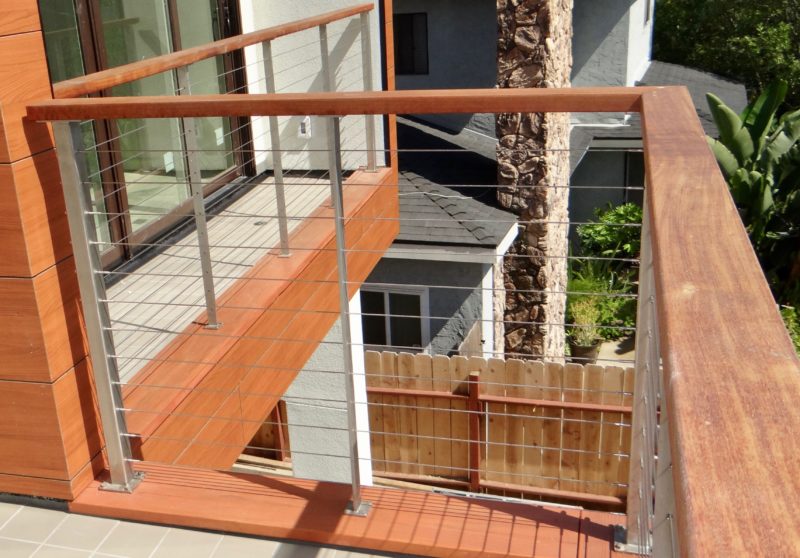
Which top railing options are best suited for my project? Selecting materials and colors for a deck or fencing project can be fun; however having a large variety of options can also make our choices more difficult. As with any home improvement project, when selecting top rails we should always consider what kind of look and feel we are trying to create. When it comes to top railing options, some of the most common topics for questions from our customers are about: Colors- Metallic finishes and dark colors like charcoal and black are widely used for modern color selections. Muted colors, earth tones, and bare mill finishes will be more commonly found on coastal applications and landscapes. White is a good choice for matching interior trim but should be used sparingly for exteriors. Size- Minimalist designs are very popular and many times the leanest top rail profiles are the most desirable. Consumers and contractors alike need to weigh the pros and cons of going thin with top railings. Cable railings need rigid frames to withstand cable tension. Consider using steel members if you want thinner top rails. When using wood timbers, try to stay with hardwood species at a minimum thickness of 1.5″. Material Choices- At SDCR we offer a broad selection of top railing materials to include: aluminum, steel, stainless steel, and a variety of wood types. In general, steel railings will provide a more industrial or modern look. Wood can assert a more neutral feel which will offer versatility when dealing with an older home. Price Points- Wood will almost always be less expensive than steel when it comes to top railing choices. For a DIY installer, wood products will also be more forgiving and require fewer tools. Steel or stainless steel top rails will typically be stronger and more durable, but they also carry a higher price point. Our company offers modular parts for both wooden and steel top railing options. We are happy to discuss these options in order to find you the best most cost effective solution for your project. Questions??? Click HERE to visit the quote request page.
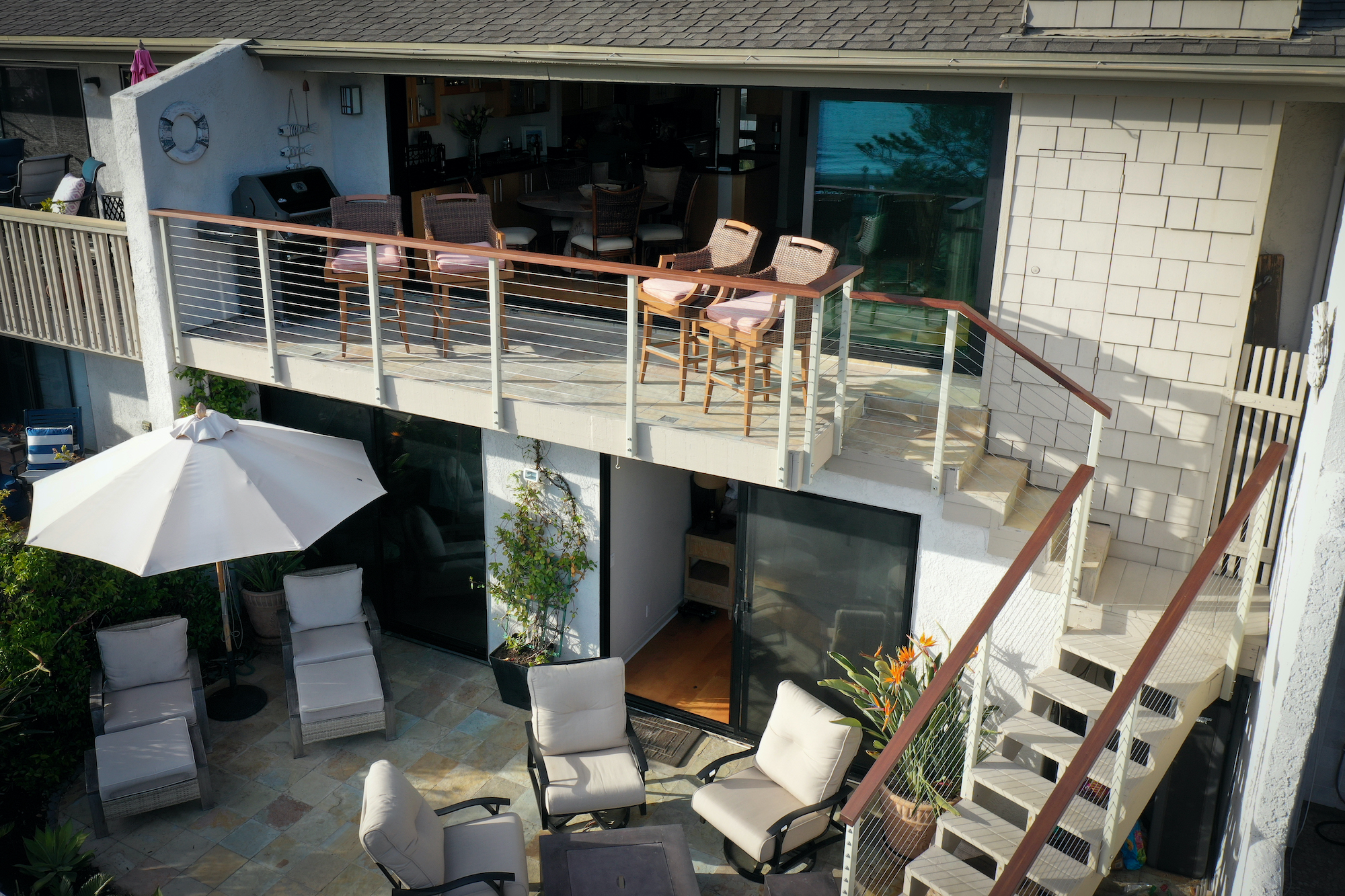
Professional Tips and Infill Options for Retrofitting Existing Railings If the structural components on your existing deck are still sound it may be a good candidate for a retrofit vs. a complete rebuild. Retrofit railings utilize existing structural members combined with new railing infill for an updated look. Below are some suggestions provided by our railing pros to help you decide if your railings are suitable for a retrofit vs. a rebuild: Evaluate Posts and Railing Members- 4″x4″ wood posts are most commonly encountered on wooden decks. Using existing wood posts is feasible for glass panels or stainless cable infill if the members are in good shape and will meet current codes. In California, the net railing height needs to be 42″ tall for barrier railings. Glass railing panels can be added to existing posts by utilizing steel clips or by picture framing the glass with wood trim. Stainless steel cable assemblies can be added to existing railing posts as long as the post spacing does not exceed 4 feet and the connections are suitable for railing tension. Inspect the railing members for signs of rot and insect damage prior to performing any retrofit work. Evaluating the age and exposure levels can also be helpful when deciding whether to retrofit or rebuild. If minor (aesthetic) blemishes are present, perform any patch work, painting or staining prior to installing new railing infill. Railing posts need to withstand a lateral pressure load of 200-250 lbs. A drilling template can be used to drill existing wooden posts for stainless cable infill. When dealing with existing structures, consulting a professional prior to performing any work is always recommended. San Diego Cable Railings can provide all necessary hardware, glass panels and/or cable infill options for retrofitting existing railings. We also offer turn key installation services by our licensed and insured preferred contractors. To find out more information, or to get an estimate on railing products please visit the quote request page.