
Modern Interior Railing Trends for Luxury Homes
March 3, 2026


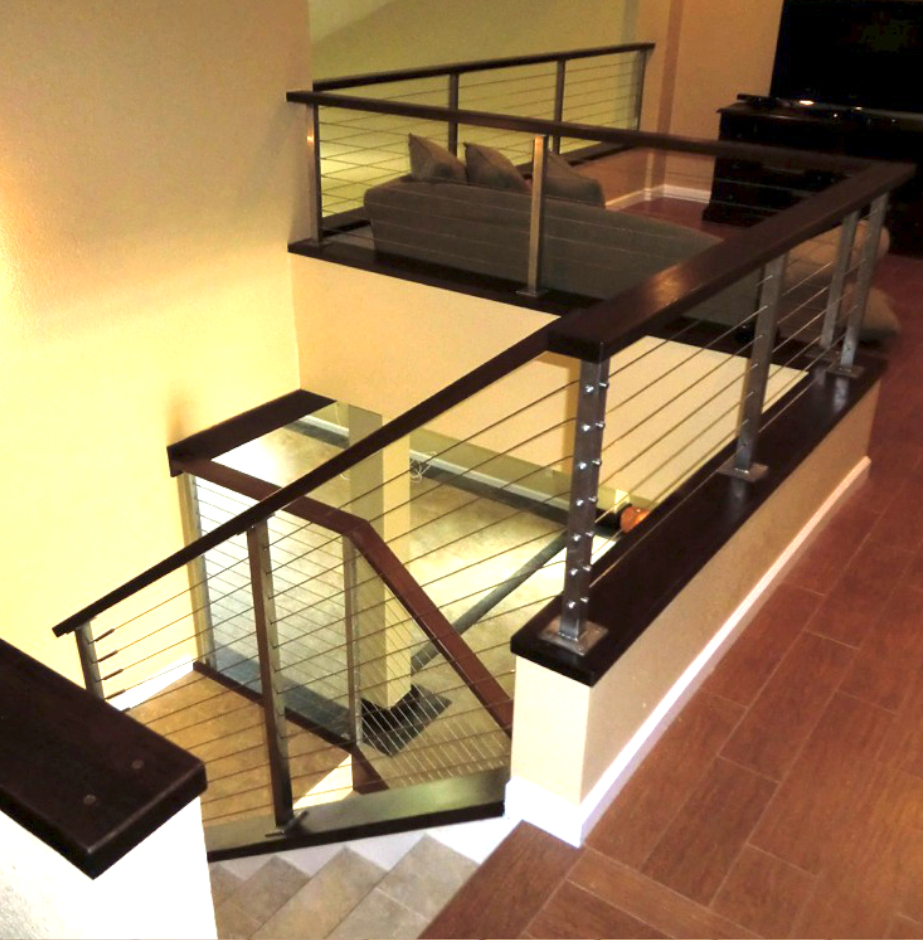
What is a Pony Wall Railing ? San Diego Cable Railings receives a lot of railing requests from customers that are fans of removing the “pony wall” construction element. The pony wall is an older trend mostly from 90s track homes that were used as “open concept” designed stub walls. Other common names used for pony walls- “knee wall” or “half bannister” wall. Some times parapet walls are mistaken for pony walls. True open concept designs today are completely open, modern adaptations to the dated open concept designs. We hear from a lot of potential wall railing customers that want to remove their pony walls. Pony wall removal projects create light penetration while modernizing the aesthetic of the interior of an older home. Construction Phases When Removing Old Railings Most remodels start with a demolition phase, and removing the pony wall in order to install a modern railing system . Wall projects often start by cutting down and removing the existing wall. After the debris is removed, any framing or structural retrofitting needs to happen prior to re- topping the wall. While the framing is open; installers can add any structural backing needed for a solid connection mount of the new railing posts. A “double top plate” is a solid way to ensure 3″of backing for a surface mount to your new cap. A double top plate refers to multiple 2x planks sandwiched and fastened for extra structural connection. Relocating Electrical May Be Necessary There is a solid chance of encountering electrical outlets and wires when removing pony walls. It’s important to assess this prior to any demolition and have a plan and possibly a professional electrician or contractor to terminate or relocate the outlet. This is actually a good time to consider other possibilities or additions when everything is opened up after demo phase. Our installers are licensed contractors and can easily incorporate this action into the railing installation plan. Finishes and Flooring Repairs A flooring repair or wall top member may be necessary prior to installing the new railings. Sometimes we are forced to leave a small stub wall >3″ and install a new wall cap. Cap pieces can be stained or painted and new flooring can be patched in where walls are removed prior to installing new railings. –Paint Grade Trim is a clean way to hide imperfections and requires very little finish work. –Stain Grade Trim–will usually need to be custom made to match existing flooring out of a wood species similar or the same as the flooring. Ask one of our sales associates about our premium finishes and bare finish options. -Carpet Repairs – are often required when carpet floors abut pony walls that will be removed. Our preferred installers have you covered with every aspect of the process from demo to floor repairs, moving outlets, even re- framing if needed. Hiring a Pro for a Pony Wall Railing Remodel Our preferred railing professionals carry a general contractors license and specialized experience that allows SDCR to provide turnkey railing products; and retrofit capabilities as described in this article. Removing a pony wall on an existing staircase is often a project that will require a professional contractor. Some customers may choose to perform their own tear out or use different trades to perform each facet of the project which can have mixed results. A pony wall removal will require drywall, paint, carpentry, and railing construction experience. Our sales team at SDCR is available by phone to answer questions or provide quotes for railing remodel projects via the QUOTE REQUEST form. CLICK HERE TO REQUEST A FREE ESTIMATE! Safe Deck Railings Pony Wall Railing Remodels MavenJuly 24, 2025 Cable Railing News What is the Best Material for Cable Railings? Cole RouseJuly 16, 2025 Cable Railing News Understanding Cable Railing: Addressing Potential Disadvantages Cole RouseJuly 16, 2025 most used cable railing system The Sleekest Minimalist Railing Systems MavenJuly 3, 2025 cable deck railings, Cable Railing News Are There Disadvantages of Stainless Steel Railings? Cole RouseJune 24, 2025 Browse More Posts
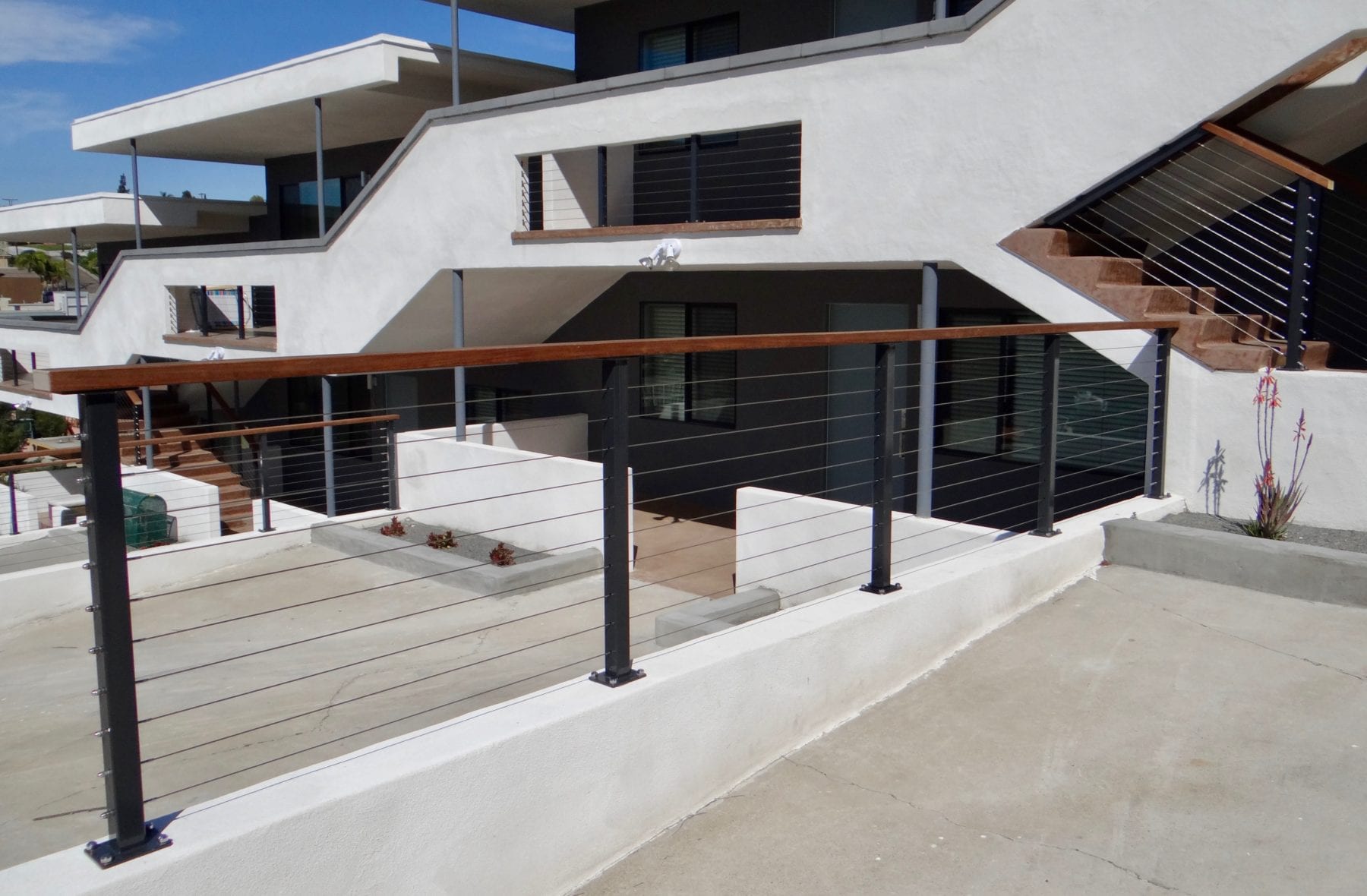
What is a Pony Wall ? We don’t get a lot of railing requests from customers that are fans of the “pony wall” construction element. The pony wall is an old trend mostly from 90s constructed homes that were used as “open concept” designed half walls. Other names used for pony wall could be “knee wall” or “half bannister” wall. True open concept designs today are completely open, modern adaptations to the older and dated open concept layout ideas. Currently we hear from a lot of potential customers that want to remove their pony wall. Pony wall removal projects create light penetration while modernizing the aesthetic of the interior of an older home. Renovation Phases When Removing Pony Walls Many remodels start with a demolition phase, and removing a pony wall to install a modern railing system is no different. Wall projects often start by cutting down and removing the existing wall. After the mess is removed, any re-framing or structural retrofit needs to happen prior to re- capping the wall. While framing is open; add any structural backing needed for a solid bolt up of the new railing posts. A “double top plate” is a solid way to ensure 3″of backing for a surface mount to your new cap. What if I have an electrical outlet on my pony wall? There is a good chance of encountering electrical outlets and wires when removing bannister walls. It’s important to assess this prior to demolition and have a plan and possibly a professional electrician or contractor to terminate or relocate the outlet. This is actually a good time to consider other possibilities or additions when everything is opened up after demo phase. Finish Work and Flooring Possibilities A flooring repair or new edge member may be necessary prior to installing the new railings. Cap pieces can be stain or paint grade and flooring can be patched in where walls are removed prior to installing new railings. –Paint Grade Trim is a clean way to hide imperfections and requires very little finish work. –Stain Grade Trim–will usually need to be custom made to match existing flooring out of a wood species similar or the same as the flooring. -Carpet Repair – is often required when carpet floors abut pony walls that will be removed.- Hiring a Contractor to Perform a Pony Wall Railing Renovation Our preferred railing professionals carry a general contractors license and specialization that allows us to provide turnkey railing products and retrofit such as the work described in this article. Removing a pony wall on an existing staircase is often a project that will require a professional contractor. Some customers may choose to perform their own tear out or use different trades to perform each facet of the project which can work as well. A pony wall removal will require drywall, paint, carpentry, and railing construction experience. Our sales team at SDCR is available by phone to answer questions or provide quotes for railing remodel projects via the QUOTE REQUEST form. CLICK HERE TO REQUEST A FREE ESTIMATE! Cable Railing News Stair Railing Ideas MavenSeptember 6, 2024 Safe Deck Railings Pony Wall Railing Renovations MavenAugust 20, 2024 kids and cable railings, Safe Deck Railings Safer Deck Railings MavenJuly 31, 2024 deck railing costs Deck Railing Costs MavenJuly 16, 2024 glass railing posts All Purpose Railing Posts MavenJune 30, 2024 Browse More Posts
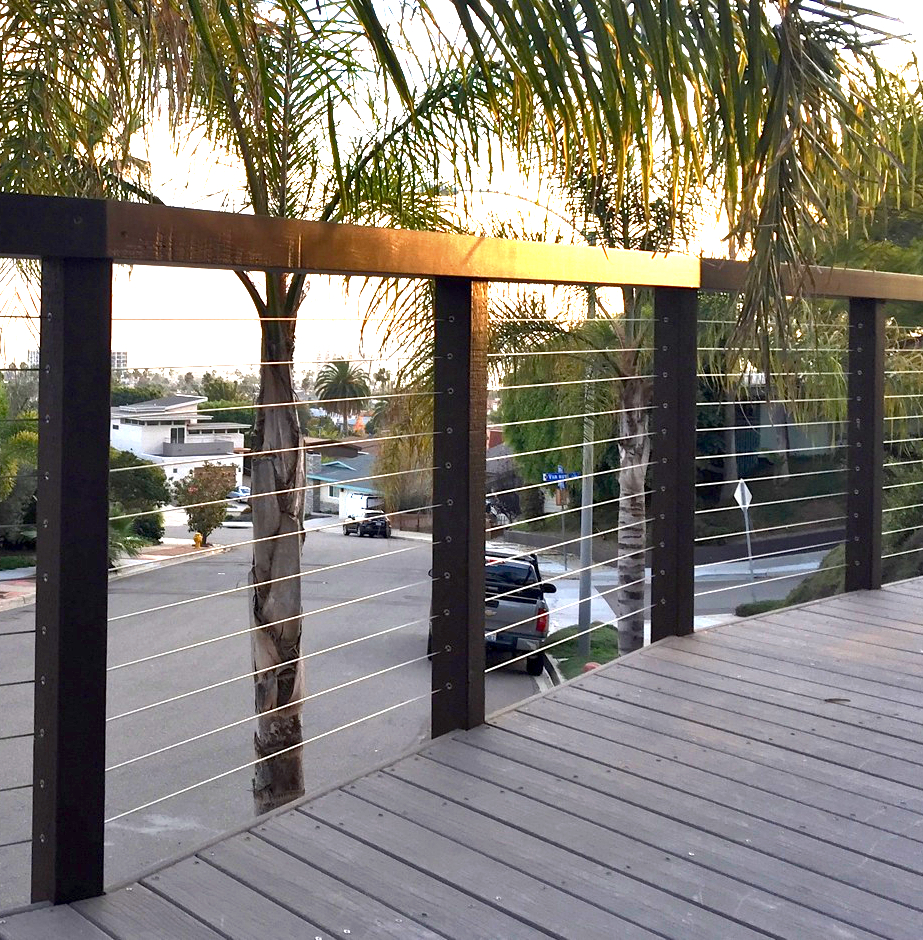
Infill Spacing for Safe Decks Building codes nationwide hold to a 4″ maximum clear spacing requirement for railing infill sections. Whether constructing new or retrofitting older barrier railings the code spacing requirement remains the same. By definition this means that no gap anywhere on the railing should exceed 4″ clear in between members. Older homes, condominiums, and commercial buildings with outdated railings may need to be upgraded in order to satisfy this requirement. Older code spacing (6″-8″) increase liability due to possible falls or injury caused by larger spacing requirements that could allow children through railing members. Newer codes and standards for child safety require tighter gapping. Safer deck railings utilize current codes with sturdy frames and max clear spacing of 4″. Cable rail spacing requires a max 3″ space to allow for deflection. Safer Decks Require Current Codes and Practices The 4″ maximum spacing requirement used for current codes was designed to prevent small children from being able to force their head or body into and through any gaps anywhere on the railing system. Safe railings are all about child safety requirements. In this article we will explore information necessary to upgrade your railing systems and make them safer for children, pets, and people. Railing Heights Vary by State Railing height specifications can vary by state and we recommend checking with current local building codes prior to construction. In California, a minimum railing height of 42″ is required. Other states like Arizona still hold to a 36″ railing height requirement. How to measure for finished railing height? Railing height should be measured from the top of the deck surface to the highest point of the top rail member. When performing site verifications our installers measure from multiple locations across the deck surface. Deck levels can vary, especially when dealing with slopes so it’s best to verify railing height in multiple locations. Vertical and Horizontal Rail Spacing Checking for voids along the railing frame is a good way to make sure your railings meet current codes. Safe deck railings should not contain any gaps larger than 4″. The following are common locations where these voids may occur: –Upright or Vertical Members – check spacing between pickets, posts, and or pipes, also check cables for 3″ spacing compliance –Horizontal railing members– bottom rails should be code spaced from the deck surface. Cable spacing should not exceed 3″ in order to prevent more than 4″ when deflection occurs. Solid members like pipe and/or wooden railing parts that do not deflect can be spaced at 4″ from center of member to member Glass infill – glass panels, lattice or solid wood, steel or other aesthetic panels should not have gaps larger than 4″ in between panels or scrollwork. Hiring Railing Pro to Construct Safer Deck Railings A large number of our customers hire a railing professional to guarantee safety and code compliance. Our preferred installers are licensed contractors; familiar with local and current code requirements. Some custom and higher risk applications like raised decks, balconies, and stairs greatly benefit from using pro’s. Our DIY products and solutions are very popular and easy to install however some applications are better suited for hiring a specialized contractor. HOA’s, and condo complexes are often required to use professional contractors for construction projects. Insurance claims also require the use of a professional. Large scale industrial projects, commercial, and retail spaces are best handled by licensed professionals. Our team at San Diego Cable Railings has been fabricating and installing code compliant railings since 2009. If you are interested in learning more please give us a call or visit the quote request page to receive an estimate. CLICK HERE TO SUBMIT A QUOTE REQUEST Cable Railing News Stair Railing Ideas MavenSeptember 6, 2024 Safe Deck Railings Pony Wall Railing Renovations MavenAugust 20, 2024 kids and cable railings, Safe Deck Railings Safer Deck Railings MavenJuly 31, 2024 deck railing costs Deck Railing Costs MavenJuly 16, 2024 glass railing posts All Purpose Railing Posts MavenJune 30, 2024 Browse More Posts
San Diego Cable Railings and Outlier Enterprises have teamed up to offer CAD (computer aided design) packages and cable railing calculations for wooden and steel framed cable railing systems. CAD software is used by architects, engineers, drafters, artists, and others to create precision drawings or technical illustrations. Comprehensive design details can be generated for your project in as little as 1-2 weeks! A typical design package will contain project specific information, connection details, and accompanying calculations for certain load requirements commonly requested for permitted deck and railing jobs. If you have a new construction project or permitted remodel, your local building department may request certain call outs or calculations to be submitted with building blueprints. They may also want a recognized railing system, or supporting documentation that proves the intended railings will withstand the loading requirements that keep people and pets safe on raised structures. If you are a designer or contractor, using an engineered cable railing system can be a fast and easy way to secure a building permit and expedite project deadlines for your customers. Our pricing and lead times for design packages and calculations will meet or beat industry standards. For turnkey project requests we can design, manufacture and recommend one of our preferred cable railing installers. Our ultimate goal is to provide our customers with the highest level of service and high quality products at a competitive price point. If you have questions about CAD design or cable railing calculations, contact us at 844-277-7327, or visit the quote request page.
Safe deck railings and the question of safety on raised decks has become increasingly popular on discussion boards throughout the building community. When it comes to cable railings, manufacturers are encouraged to follow even tighter guidelines than some traditional deck railings. The recent growth in popularity of cable railings has expedited the need for proper standards and testing. San Diego Cable Railings prides itself on the structural integrity of our railing systems. We are continually performing in house tests, as well as field testing on our railing systems. The North American Deck and Railing Association (NADRA) is dedicated to safe building practices and the promotion of deck safety. The (NADRA) website is a great resource for deck builders, homeowners, manufacturers and design professionals. Additionally, you can locate inspectors by geo location and read articles pertaining to deck safety on this comprehensive web resource. Anything and everything related to deck construction and safety can be found at (NADRA). They provide photos and workshops, articles, and links to material suppliers and deck builders. Safe deck railings require structural considerations, proper backing, and high quality materials to secure raised deck barriers. As proud members of NADRA, San Diego Cable Railings is dedicated to quality construction and high quality cable deck railings. We encourage safe building practices as well as the promotion of licensed contractors that specialize in deck and railing construction. Our preferred installers have spent years constructing decks, fences and cable railings exclusively with our product line. We continually conduct safety meetings, testing, and trade consultations in order to provide our customers safe and attractive railing systems. We encourage our customers to visit our profile at the North American Deck and Railing Association by clicking the on the link to the (NADRA) website. If you have questions about safe deck railings, code compliance, or about any of our railing products give us a call at 844-277-7327.