
Modern Interior Railing Trends for Luxury Homes
March 3, 2026


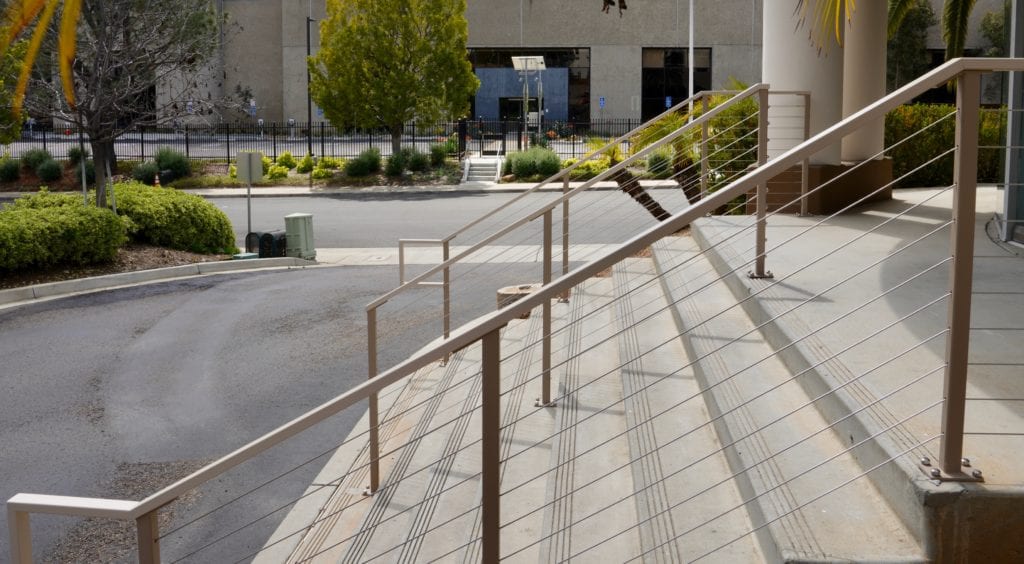
ADA Accessibility Handrails in San Diego When it comes to creating accessibility ADA handrails are the hero and often the requirement for new construction and retrofit jobs. Much like our other railing systems we like to add a sleek aesthetic and sturdy safety factor to our ADA railing products and services. This post covers some of the requirements for ADA railings and also ways to install them for code compliance. Additionally, to offer guidance for installation and maintaining the durability and cool aesthetic of a coastal handrail. Why ADA Handrails Matter? Safety First Handrails- Provide stability and reduce the risk of falls or injuries. Modern Railing Aesthetic- ADA rails can look cool and update older spaces. Minimalist designs allow for open space and sleek looks. Durability- Stainless steel handrails last for decades. High strength coatings offer extended lifespan and design flexibility. Key Features of ADA Handrails Handrails are to be installed between 34-38″ above ramps or stair surfaces. For ramps, handrails may be required on both sides if the rise exceeds 6″ or the run exceeds 72″. Much like other railings, handrails must resist a minimum 200 lbs of force and securely mounted. They should not easily wobble or detach. With square designs (when allowed) the edges must be rounded; often round stainless steel handrails are utilized. An awesome ADA railing will meet code but also complement the space. Some examples include restaurants, community centers, parks, and pedestrian access. Handrails empower independence for those with limited mobility allowing them access without assistance. Are ADA Railings only Custom Projects? You may be wondering if ADA railings are DIY friendly or available in modular kits. ADA railings are often custom projects or full welded but can also be made modular in some cases and installed by DIYers. Absolutely! San Diego Cable Railings furnishes modular post and top rail packages that can be mounted to almost any surface. For more complex projects like coring post holes, complicated angles and difficult locations- our preferred installers have the skills and experience to get the job done. Full welded, hybrid, or modular ADA railings systems are all covered by SDCR. Related ADA Railing Products SDCR has everything you need from frameless glass railings, to pre-made cable railing systems for decks and stairs. Need a gate to close off or secure an access point? We make custom gates, access gates, cable and glass gates and more. Our company and installation team have been fabricating and installing ADArailings in Southern California since 2009. We’ve also helped hundreds of homeowners with DIY railing packages that produce the most professional results. Our sales team can help you with sales and installation pricing in as little as 1-2 days. SDCR products are strong, attractive, and proven in real field conditions. If you’re looking to DIY or hire a professional for new railings, give us a call or visit our quote request form. CLICK HERE TO REQUEST A QUOTE FROM OUR SALES TEAM! wall mounted railing systems Awesome ADA Handrails MavenOctober 20, 2025 wall mounted railing systems Best Wall Mounted Railing Systems MavenOctober 3, 2025 diy railing systems Can I Install Cable Railing Myself? MavenSeptember 19, 2025 Cable Railing News How Much Does it Cost To Install Stainless Steel Cable Railing? Cole RouseSeptember 12, 2025 Cable Railing News Can I Install Cable Railing Myself? Cole RouseSeptember 12, 2025 Browse More Posts Add Your Heading Text Here

Pony Wall Railing Types Wall mounted railing systems are a smart and time tested choice for bannister walls, pony walls, and stairway stub walls. They save space and create a sleek look that can update the design aesthetics of older homes. In this article we’ll explore the top choices for wall mounted railing types as some pros and cons provided by customer feedback and pro installers. Why Choose a Wall Mounted Railing? Space Efficiency- One of the biggest drivers for updating narrow stairways where posts could cramp the area. Mount the posts on a small wall or curb and add structural blocking for strength. More Modern Aesthetic- Probably the most common reason for updating stairs and an older pony wall. Lots of customer requests for removing or cutting down dated pony wall railings. Safety- Meeting building codes and creating safe stairs with proper graspable railings and sturdy attractive railing frames. The Best Wall Mounted Railing Types Glass Railings- The gold standard for unobstructed views and a high end look. Flush mounted to walls with little to zero hardware; improving light penetration with the strength of tempered glass panels. Pros- Maximize light and openness. Perfect for balconies, decks, garden walls and stairways. Timeless appeal and versatility for design styles. Cons- Up front cost is higher than other systems like cable railings. Glass railings can be difficult for DIY installers. Cable Railings- Horizontal stainless steel cables stretched between wall-mounted posts or directly to the wall create a tensioned, modern stainless infill. They’re sleek and contemporary. Pros- Airy and open design that doesn’t block light or views—great for any railing or fencing type. High strength for safety without bulky components. Customizable and DIY friendly. Cons- Cables can sag over time if not maintained. More expensive than traditional pickets. Can be difficult in certain municipalities although most have adopted cable as a safe and code compliant choices. Can You DIY a Wall Mounted Railing System? Absolutely! Removing old railings and replacing them with a modular railing kit from San Diego Cable Railings is quick and easy. Estimates are available within 1-2 business days and we also have preferred installers for more complex projects and when code compliance is a must. Removing old railings, replacing flooring, or adding a wall cap prior to new railings is a great DIY project. Cutting down walls, finish carpentry, curves, angles, and stairs are more in line with using a professional. Our staff is happy to help you navigate the sales and installation process. Wall Mounted Railing Products SDCR has everything you need from frameless glass railings, to pre-made cable railing systems for your pony walls and stairs. Our company and installation team have been fabricating and installing cable railings in Southern California since 2009. We’ve also helped hundreds of homeowners with DIY railing packages that produce the most professional results. Our sales team can help you with sales and installation pricing in as little as 1-2 days. SDCR products are strong, attractive, and proven in real field conditions. If you’re looking to DIY or hire a professional for new railings, give us a call or visit our quote request form. CLICK HERE TO REQUEST A QUOTE FROM OUR SALES TEAM! wall mounted railing systems Best Wall Mounted Railing Systems MavenOctober 3, 2025 diy railing systems Can I Install Cable Railing Myself? MavenSeptember 19, 2025 Cable Railing News How Much Does it Cost To Install Stainless Steel Cable Railing? Cole RouseSeptember 12, 2025 Cable Railing News Can I Install Cable Railing Myself? Cole RouseSeptember 12, 2025 glass railings, horizontal railings Frameless Glass Deck Railing Trends – 2025 MavenSeptember 2, 2025 Browse More Posts Add Your Heading Text Here
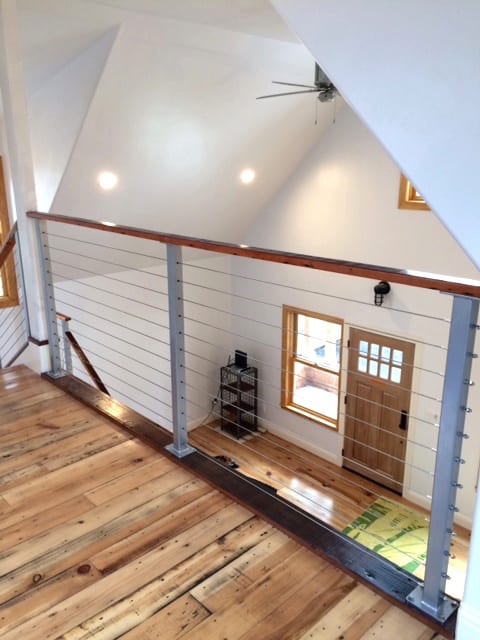
Residential railing projects will often involve wall mounted applications both inside and outside the home. Pony walls, retaining walls, parapet walls, and interior partition walls are often used as mounting points for railing frames. A modern railing system can be a sturdy and attractive way to dress up an existing wall. Cutting down or lowering the height of an existing wall while adding railings is also a very popular remodeling choice. Here are some of our favorite wall mounted railing applications for commercial and residential railing projects: Wall Mounted Stair Railings A large percentage of interior and exterior stairways include short pony walls that require railings and/or handrails. Older track homes will often feature walls like this as the sole means of a fall barrier. While a wall is an effective fall barrier, it might not be the most attractive option. Many of our customers choose to cut down or completely remove these walls in order to open up and modernize their homes. Wall top railings are easy to install with pre-made surface mounted railing posts and DIY cable hardware. Custom glass panels, vertical cable, and horizontal rods are also popular choices for modern stair railings. Parapet Wall Railing Installations Rooftop decks and balconies often utilize parapet walls for structural and drainage reasons. Frameless glass “boot” systems or “base shoe” glass railings are a popular choice for these applications. Waterproofing and protecting perforations is a must when performing parapet wall railing installations. Additionally, we recommend the use of T316 marine grade stainless steel on all coastal applications. San Diego Cable Railings offers a full line of stainless steel glass railing posts, clips and hardware. Ultra transparent tempered glass panels and high quality hardware make these an extremely safe railing choice for parapet wall mounted railings. Best Railings for Retaining Walls Retaining walls and masonry fencing are commonly used for residential barriers on the exterior of the home. They can also be used to retain dirt and support patio slabs when a raised concrete or tile patio is desired (photo above). Mounting a railing system to a retaining wall is possibly the sturdiest way to make a railing connection. Properly designed wall mounted railings basically feel like a block wall. Steel posts with welded base plates are a great option for mounting to a retaining wall railing or fence. Epoxied rods or masonry wedge anchors are used to secure the posts to the wall. Stainless steel cable or glass panels can be utilized for infill as a safe and attractive option for retaining walls. Mounting a Handrail to a Wall Commercial and residential stairways often require grab rails or “graspable railings” in order to meet code requirements. In many of these situations there is a wall on both sides of the stairs (photo above). The solid wall is used to mount the grab rail with mounting brackets and the opposing wall is used to mount the barrier railings with infill. The photo above illustrates a beautiful stainless railing system installed in an industrial complex in San Diego, CA.
Understanding Mounting Types and Different Style Options for Wall mounted Fences and Railings- Wall mounted fences and railings can offer some questions and challenges when it comes to rigidity. A good connection to solid structural masonry units is ideal. Here are a few common installation scenarios we have encountered, and some solutions for a successful end product. Block Walls- Cinder block walls are the most commonly encountered masonry fences and curbs in residential construction. Fences can usually be surface mounted or fascia mounted to a solid block wall. If the wall is hollow; the cells which support the fence post should be grouted solid. If the wall is capped like the one in our feature photo; the anchoring should penetrate past the wall caps into the solid wall. Threaded rods that are epoxied into the wall will function well. In addition, a variety of masonry anchors are suitable for mounting railing posts on to masonry walls. Keystone Blocks– Keystone blocks are very appealing to DIYers because of affordability and their easily stackable design. The blocks come in a variety of sizes and stack on top of each other. Keystone blocks are held in place by a lip on each block and the backfill pressure against the blocks. Keystone blocks are not typically a good choice for top mounted fence and railing posts because the top block can move. Fences and railings should be cast into concrete footings utilizing the compacted fill behind keystone walls for best results. Footing depth can vary for these types of installs. To learn more about keystone block walls- gardenclub.homedepot.com/build-a-retaining-wall-with-landscape-blocks/ Pony Walls- Also called knee walls, pony walls can be found inside and outside the house. They are typically wood framed and veneered in drywall (inside) or stucco, stone, tile (outside). Knee walls can be a great mounting frame for fence and railing posts. The most important considerations are the framing thickness and waterproofing. Pony wall top plates should have a 3″ net thickness in order to offer a good lag bolt connection. If a fascia mount is desired; wood blocks should be installed at the post locations. Wooden framing members should be properly wrapped (waterproofed) in order to prevent water intrusion. Sealant should be used on all bolt threading and around the plates when installing the fence posts. Wall mounted fences and railings can be a beautiful improvement to interior and exterior spaces. If you have questions, our pros are here to help. 844-277-7327 (SDCR)