
New Year, New View: Planning Your 2027 Deck and Balcony Upgrades
November 20, 2026

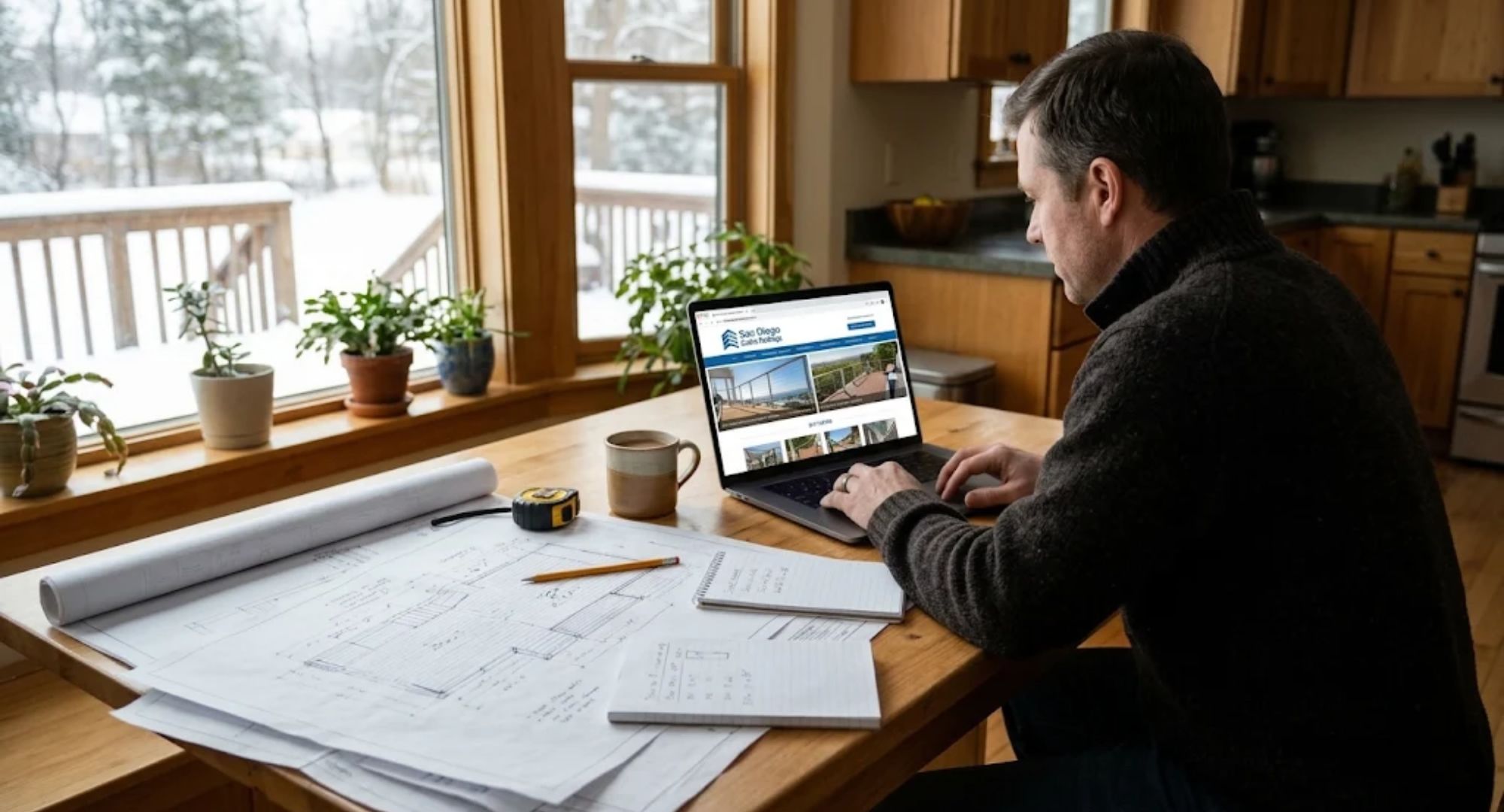
As the new year rapidly approaches, it is the perfect time to start thinking about your home improvement goals for 2027. While winter might seem like the off-season for outdoor projects, it is actually the ideal window for planning your spring deck and balcony upgrades. Upgrading to a modern stainless steel cable railing system takes time to design, but starting now guarantees your outdoor oasis will be ready for the first warm days of spring. Beat the Spring Rush Contractors, installers, and material suppliers get incredibly busy as soon as the weather warms up. By planning your renovation in the fourth quarter or early winter, you secure your spot on your contractor’s schedule and avoid extended lead times. Ordering your cable railing materials early ensures you have every piece of hardware on-site before the busy season begins. Take Time for Thoughtful Design Rushing a deck renovation can lead to costly design regrets. Winter planning gives you the luxury of time. You can carefully evaluate your outdoor space, compare wood versus metal framing aesthetics, and determine exactly how a cable railing system can be mapped out to maximize your property’s panoramic views without visual interruptions. Budgeting for Premium Quality A home upgrade is a permanent investment in your property’s value and your daily lifestyle. Planning ahead allows you to set a realistic budget for 2027. By outlining costs early, you can comfortably invest in high-quality materials, like 316 marine-grade stainless steel hardware, which offers superior rust resistance and longevity compared to cheaper, inferior alternatives. Year-Round Enjoyment Cable railings aren’t just for summer barbecues; they provide beautiful, unobstructed views year-round. When you finalize your designs and complete the installation early in the year, you maximize the immediate return on your investment, allowing you to enjoy your newly transformed balcony through spring showers, summer sunsets, and crisp autumn mornings. Make 2027 the year you finally get the outdoor space you deserve. Start planning your deck upgrade today by exploring our extensive selection of premium cable railing kits at San Diego Cable Railings. Contact our team for a free consultation and project estimate! Get Started
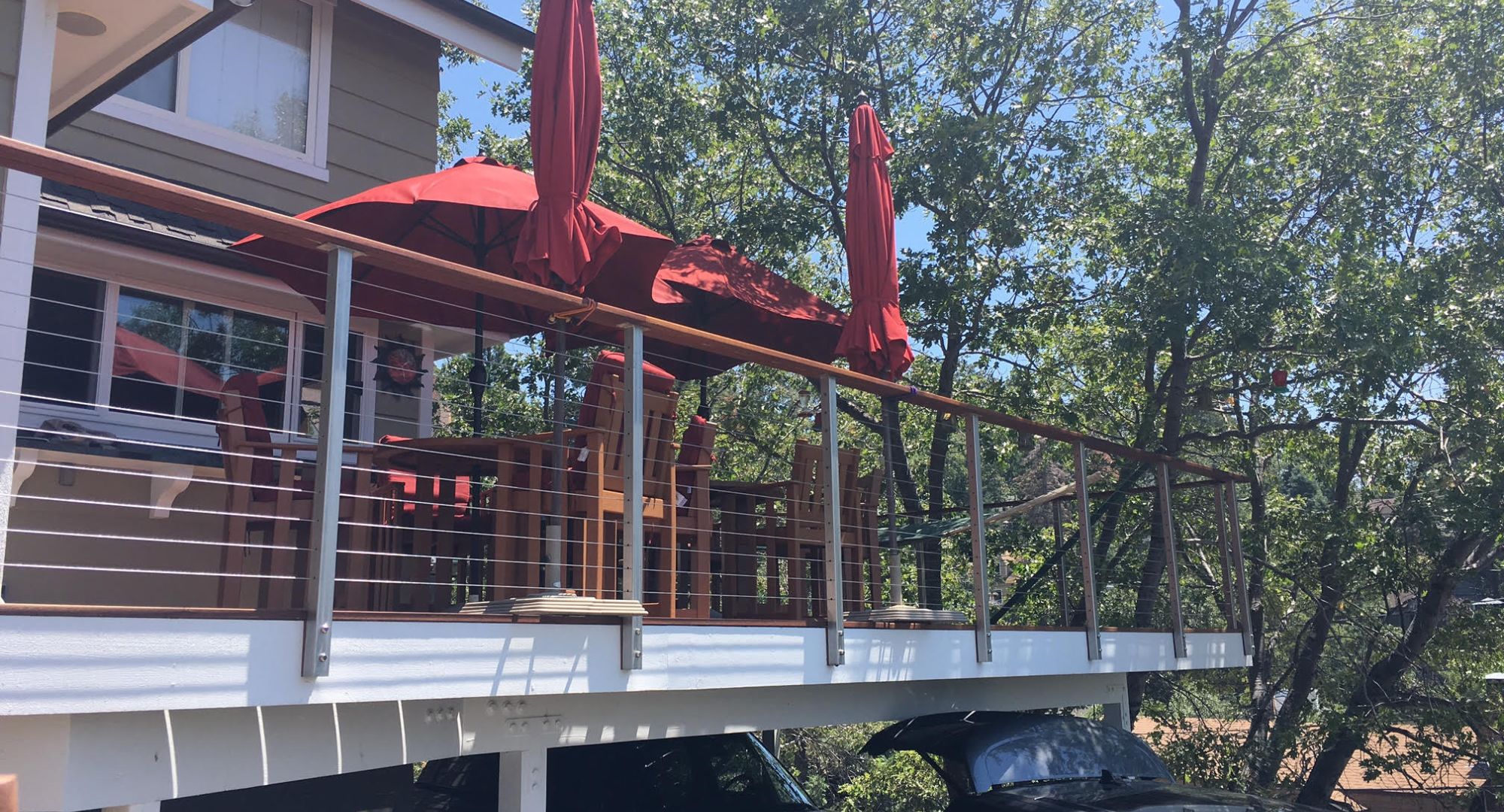
Installing a stunning cable railing system instantly upgrades your property’s value and visual appeal, but aesthetics must always be paired with safety. Navigating local building codes can feel overwhelming to homeowners and first-time builders. However, understanding a few universal rules will ensure your new deck or balcony passes inspection with flying colors. Here is what you need to know about spacing, tension, and compliance. The 4-Inch Sphere Rule The most critical building code for any residential railing system is the 4-inch sphere rule. To prevent small children from slipping through the barrier, codes mandate that a 4-inch sphere cannot pass through any opening in your railing. Because metal cables can flex, you must space your drill holes closely together—typically no more than 3 inches apart vertically—to maintain this rigid standard under pressure. Proper Cable Tensioning Even with perfect vertical spacing, loose cables are a safety hazard and a direct code violation. Proper tensioning keeps the cables rigid, minimizing deflection (bending or spreading) if someone leans heavily against them. Using high-quality stainless steel tensioning hardware allows you to easily adjust and maintain the necessary tightness over the entire lifespan of your railing system. Post Spacing and Intermediate Supports To maintain adequate tension and prevent your end posts from bowing inward, structural posts should generally be placed no more than 4 feet apart. If your deck design requires wider post spacing, you must incorporate intermediate pickets or cable stabilizers. These thin vertical supports prevent the cables from spreading apart, ensuring strict compliance with the 4-inch rule. Top Rail Requirements Building codes require a continuous, graspable top rail for stairs and decks, designed to withstand at least 200 pounds of concentrated force. Whether you use a thick wooden handrail or a sleek metal top rail, the framing must independently support this structural weight, as the flexible cables themselves cannot bear vertical loads. Don’t let building codes intimidate you. At San Diego Cable Railings, we provide code-compliant hardware and expert guidance to make your installation seamless. Shop our premium stainless steel systems today or reach out for technical support on your next project! Get A Quote
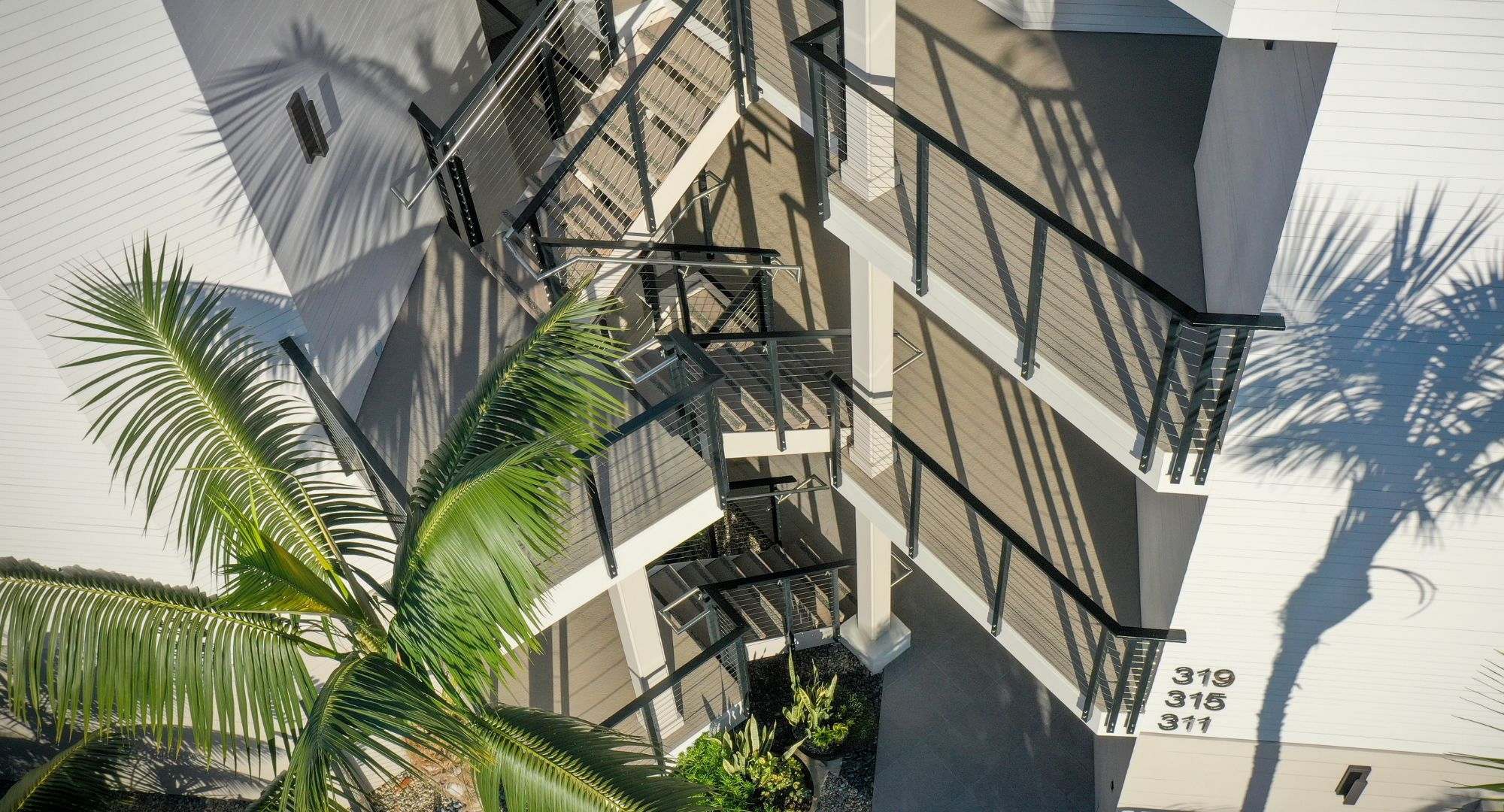
Cable railing systems offer unparalleled views and a sleek, modern aesthetic. However, the stainless steel infill is only half the story. Choosing the right framing material—specifically wood or metal posts—fundamentally defines the look, maintenance level, and longevity of your railing. Let’s compare these two popular framing options to help you find the perfect match for your home. The Warmth and Versatility of Wood Wood posts provide a classic, warm aesthetic that beautifully bridges the gap between traditional residential architecture and modern cable infills. Materials like cedar, redwood, or engineered hardwoods blend seamlessly with natural outdoor surroundings. Wood is often more budget-friendly upfront and allows for complete customization through custom stains, paints, and routing options. The Sleek Durability of Metal Metal posts, particularly stainless steel or powder-coated aluminum, deliver a strikingly contemporary and industrial look. They offer incredible strength and are highly resistant to weathering, rot, and pests. For high-moisture or coastal environments, upgrading to 316 marine-grade stainless steel is the ultimate choice for long-term structural integrity and rust prevention. Maintenance Requirements Your willingness to perform routine upkeep should heavily influence your decision. Wood requires periodic sanding, staining, or sealing to protect it from the elements and prevent warping, cracking, or rot. Metal posts are largely low-maintenance, requiring only occasional wipe-downs with a soft cloth, mild soap, and water to keep them looking pristine and free of surface contaminants. Installation Differences Installing cable railings into wood posts is highly accessible for experienced DIYers, using standard woodworking tools to drill holes and mount hardware. Metal posts often come pre-drilled from the factory or require specialized drill bits. However, many manufacturers offer complete, ready-to-assemble metal post kits that drastically streamline the installation process for builders. Ready to Design Your Dream Deck? Whether you prefer the rustic charm of wood or the modern edge of metal, San Diego Cable Railings has the premium hardware and expertise you need. Browse our products today or contact us for a custom quote! Get A Custom Quote
